Job ads are becoming more creative and dynamic. So, having the best job ads out there will require creativity.
Employers are giving more robust content on job descriptions rather than just listing requirements and qualifications. Here are some features we’re seeing in job ads that have become vital components of effective JDs :
-
Images and video
- Unique videos and images based on department, rather than 1 static image for all job postings
- Higher quality, high resolution images, rather than pixelated/blurry images.
- Impactful behind-the-scene (BTS) videos from current employees, providing a candid account of what applicants can expect by joining the organization. This is valuable social proof, which secures trust and strengthens employer branding.
-
Design / ATS Page Overlays
- Better converting and more attractive job pages. Fewer employers are now showing a bare bones Taleo, Brassring, iCims job page.
- ATS Page overlays are increasingly refined with AI-based rendering. These advancements enable predictive page loading, which anticipates delays that may compromise site experience. The proactive feature can help minimize bounce rate on your ad sites by maintaining a fluid frontend interface.
- Examples of specific ATS job page overlays: 5 Examples of Effective “Overlays” for Taleo Job Pages , 5 Great “Overlays” For Kenexa-Brassring ATS Job Pages
-
Department-specific content
- Probably the most challenging type of recruiting content to create, but has potential for the biggest payoff.
- Content marketing is already one of the highest converting and most cost-effective marketing strategies in general. Why not include it in your recruiting/talent acquisition strategy?
- Showcasing real-world achievements of your department could build a stronger case for your prospects. Portfolios of viral content, award-winning collaborations, and other non-sensitive proofs of merit give applicants a compelling reason to join your department.
- Could also give an SEO boost for Google Search.
-
Location-specific content
- Providing an option to look at office location is better than the candidate having to open a new tab and run a google search.
- Showing what the city has to offer from a lifestyle perspective is useful content. The rise of AI and sophisticated technology makes it possible to offer VR and AR presentations (e.g., spatial computing and AR overlays) of nearby amenities, lunch break spots, and commuting options/timings in real time.
-
Employee-generated content (EGC)
- Leverage employee-generated content on job ads. After all, according to Cision-PRWeek Comms Report 2025, over 52% of communicators at the workplace identify employees as one of the top three influencer groups within the organization. One out of five communicators in the same report considered employees as the top influencer.
- Employee Testimonials and comments are also effective and easy to add to job ads.
- Live Ask Me Anything (AMA) sessions (or recorded footage) are an effective add-on for job ads as they resolve some of the applicant’s concerns, guiding them along the onboarding process. These initiatives also promote transparency between employers and incoming hires.
-
General Career Content
- Job pages should be a mini career site since candidates are landing directly on them (often bypassing your careers landing page).
- Making company values measurable. Placing a metric on each value boosts trust. For example, you could include badges, awards, or metrics that prove the integrity of a claim. Alternatively, you could add figures to statements, such as “reducing carbon footprint by 3% each annum through DEIB operations.”
- Review the highest performing content on your careers site landing page (i.e. engagement, conversion) and incorporate that content into your job ads.
- AI-predicted career pathways can provide prospects with a clearer view of their long-term trajectory and assist with goal-setting. For instance, you could list that a junior tech assistant typically gets promoted to tech specialist in 24-36 months.
-
Related / Similar Jobs
- Add recommended jobs to give candidates every last chance to find a job that appeals to them.
- Provides a small SEO boost. For enhanced results, your site could improve rankings by bundling semantic keywords of similar roles, catering to the latest Google practices. These may include grouping clusters like “ombudsman”, “paralegal”, and “legal counsel.”
-
Recruiting Widgets
- Recruiting widgets like LinkedIn and Glassdoor make your job pages look better and help eliminate clicks (the goal is the least number of clicks as possible).
- Real-time review widgets from Glassdoor or Trustpilot adds credibility to your employer branding. These are verifiable comments from third-party members that offer a genuine insight into your company culture. Such transparent feedback can help validate the workplace standards and employee sentiments displayed on your job ads. Do note that having a mixed review of 4-4.8 stars can enhance authenticity among job seekers (as compared to consistent perfect 5 ratings).
- Scan-to-apply QR codes raise application experiences by reducing drop-off rates. This is especially so when linked to a one-touch application via a career site or LinkedIn Connect. These codes could also shed valuable insights on offline recruitment channel performance through embedded candidate tracking.
-
Employer of Choice Awards
These awards include the “Glassdoor Employees’ Choice Award”, “Built In Best Places to Work”, and “Great Place To Work®” certifications. The recent focus on sustainability and organizational integrity could also see increased interest in ethical awards like B Corp certifications.
Note: For a history of how job ads have evolved, you might check out our free Job Descriptions Guide — it tells you everything we know about JDs, job ads and the like!
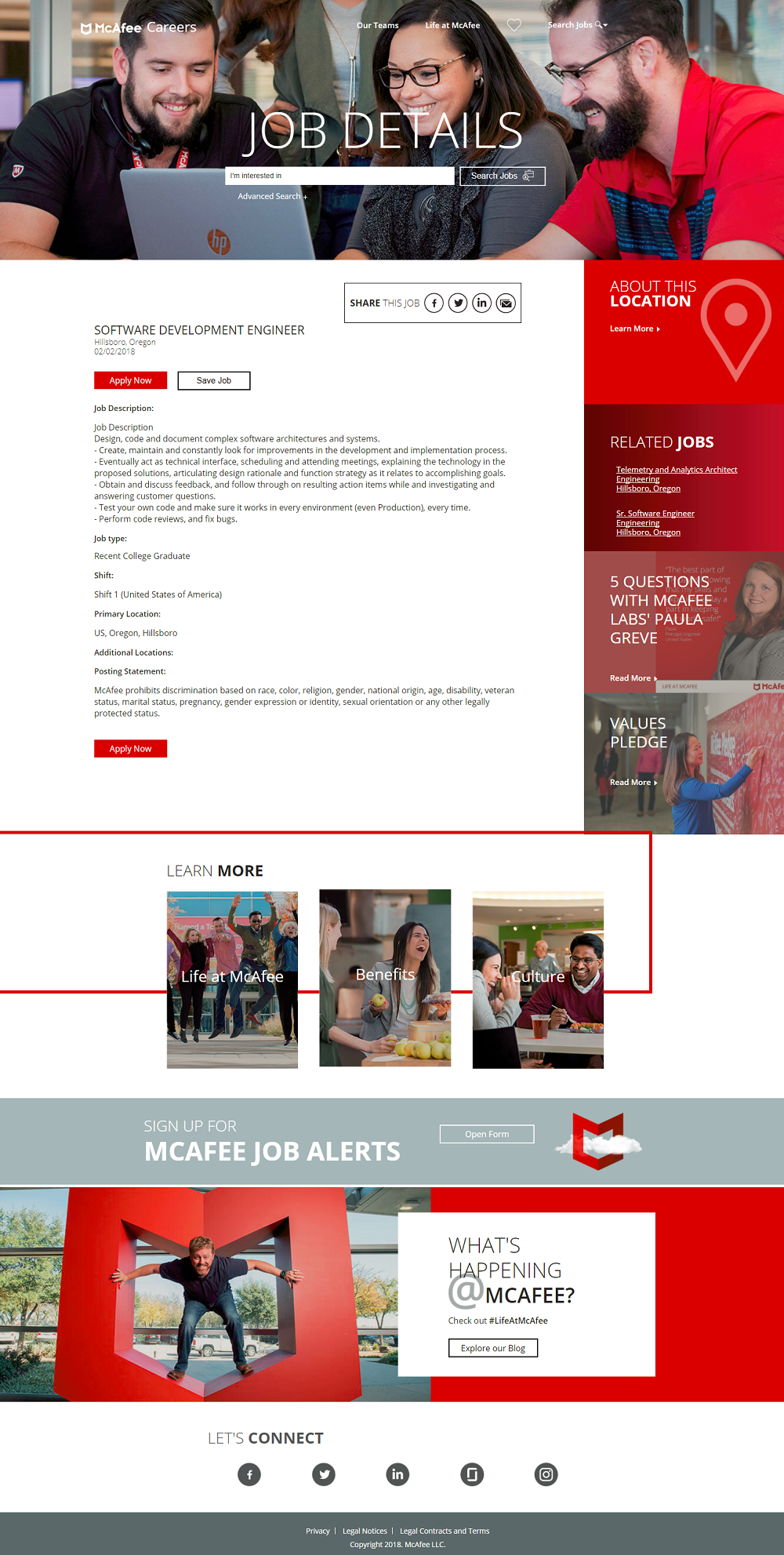
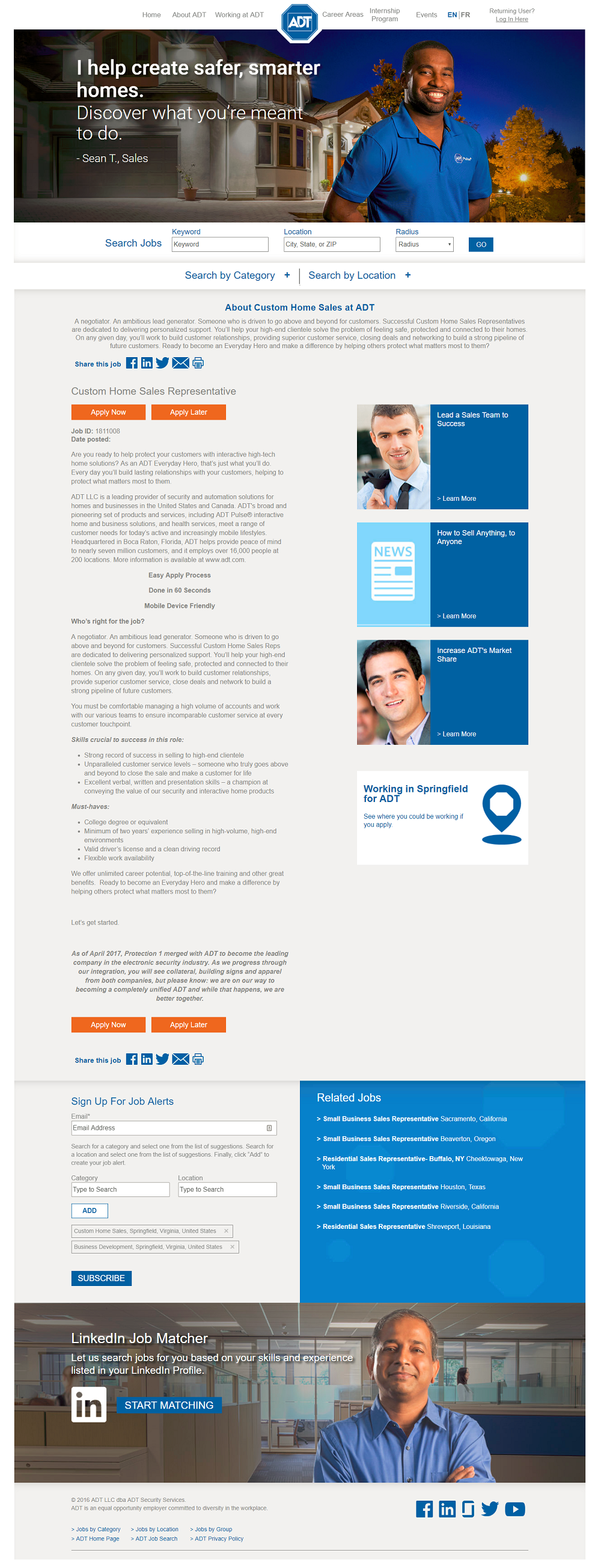
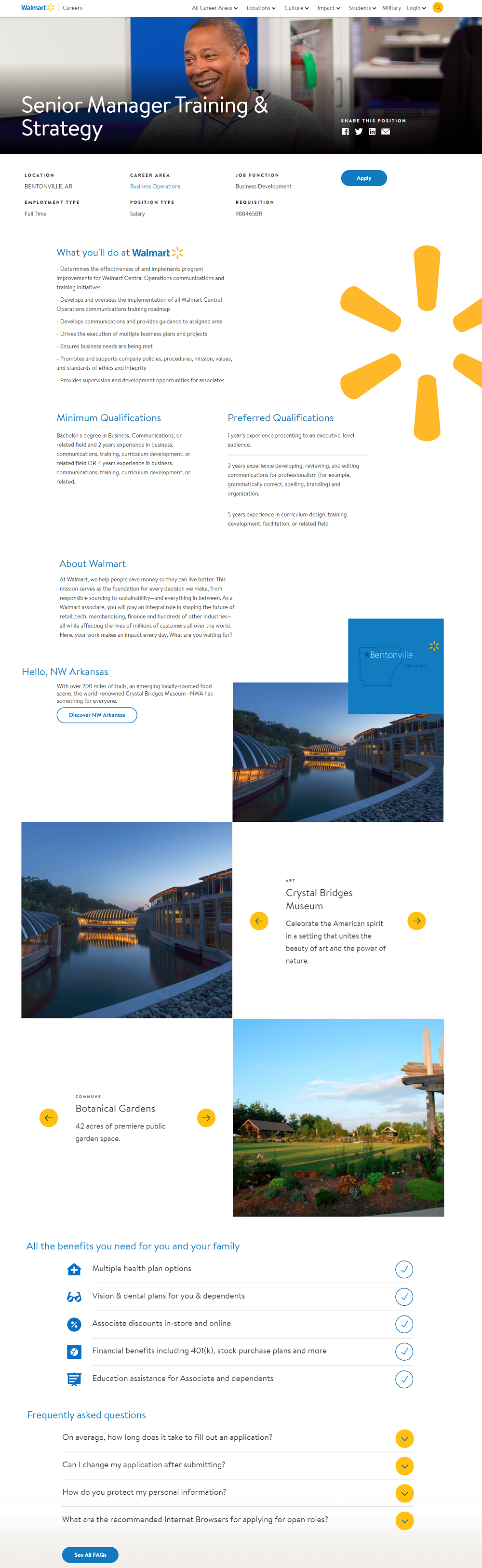
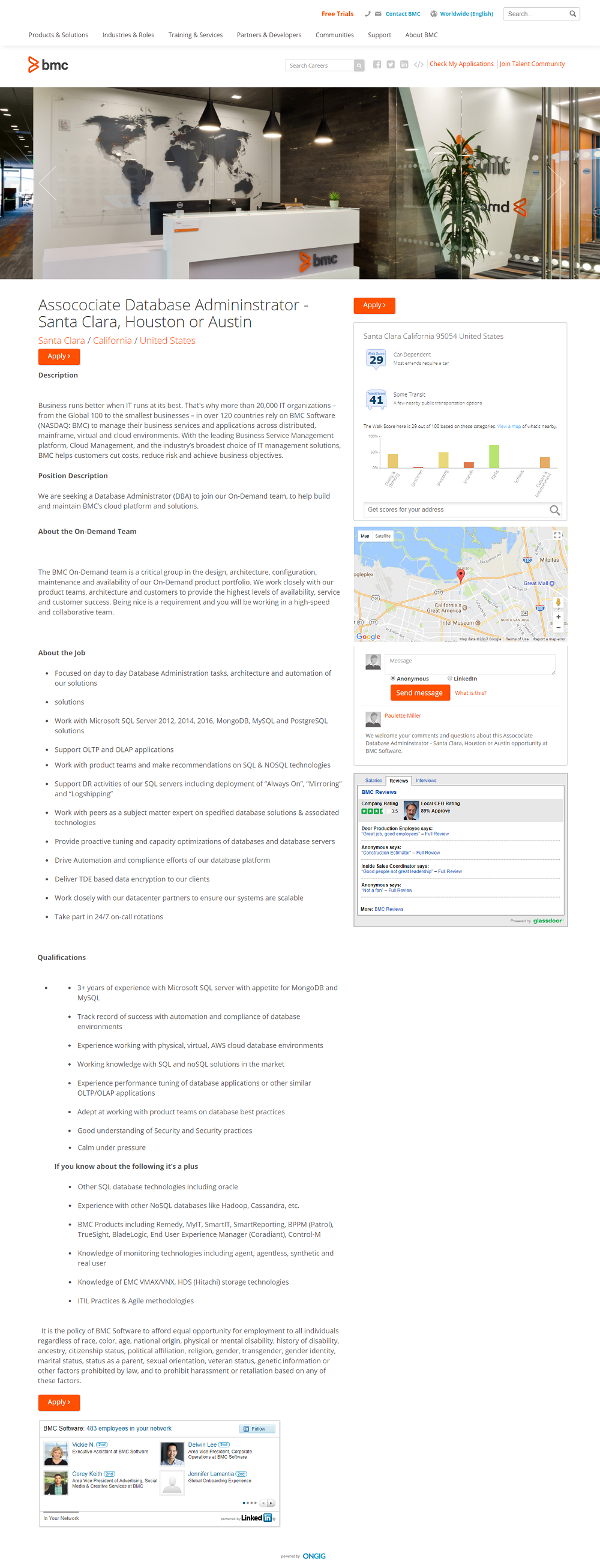
Below are 10 examples of the best job ads in 2018-2026 that leverage these new ideas:
1. McAfee
2. ADT
3. Walmart
4. BMC
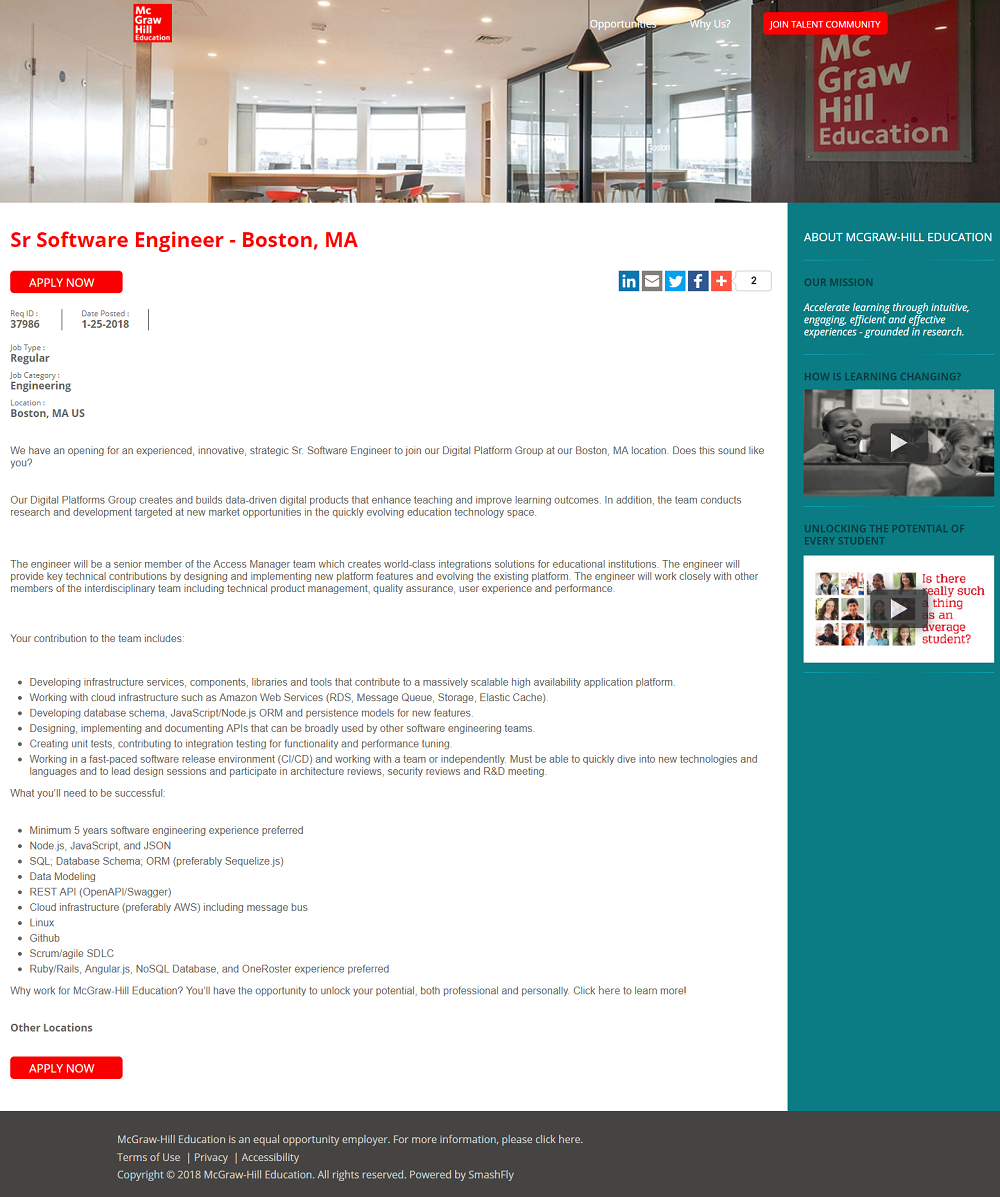
5. McGraw-Hill
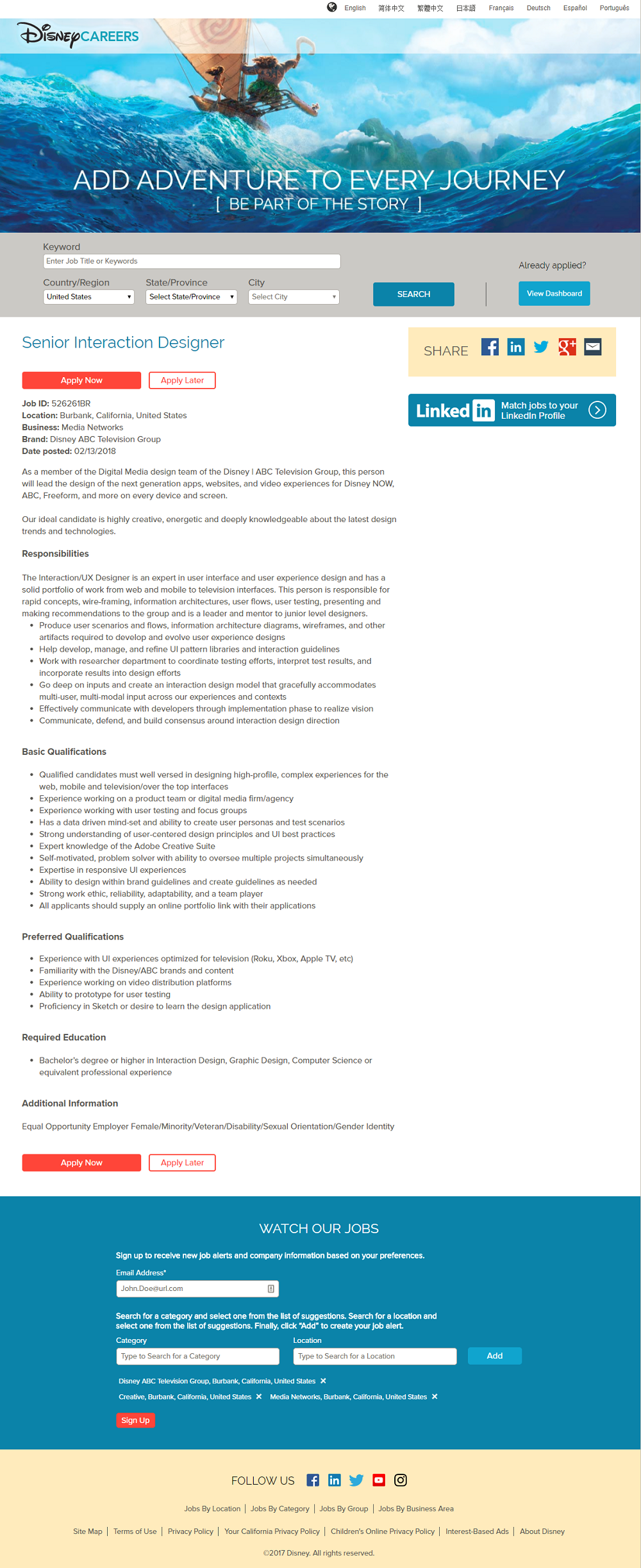
6. Disney
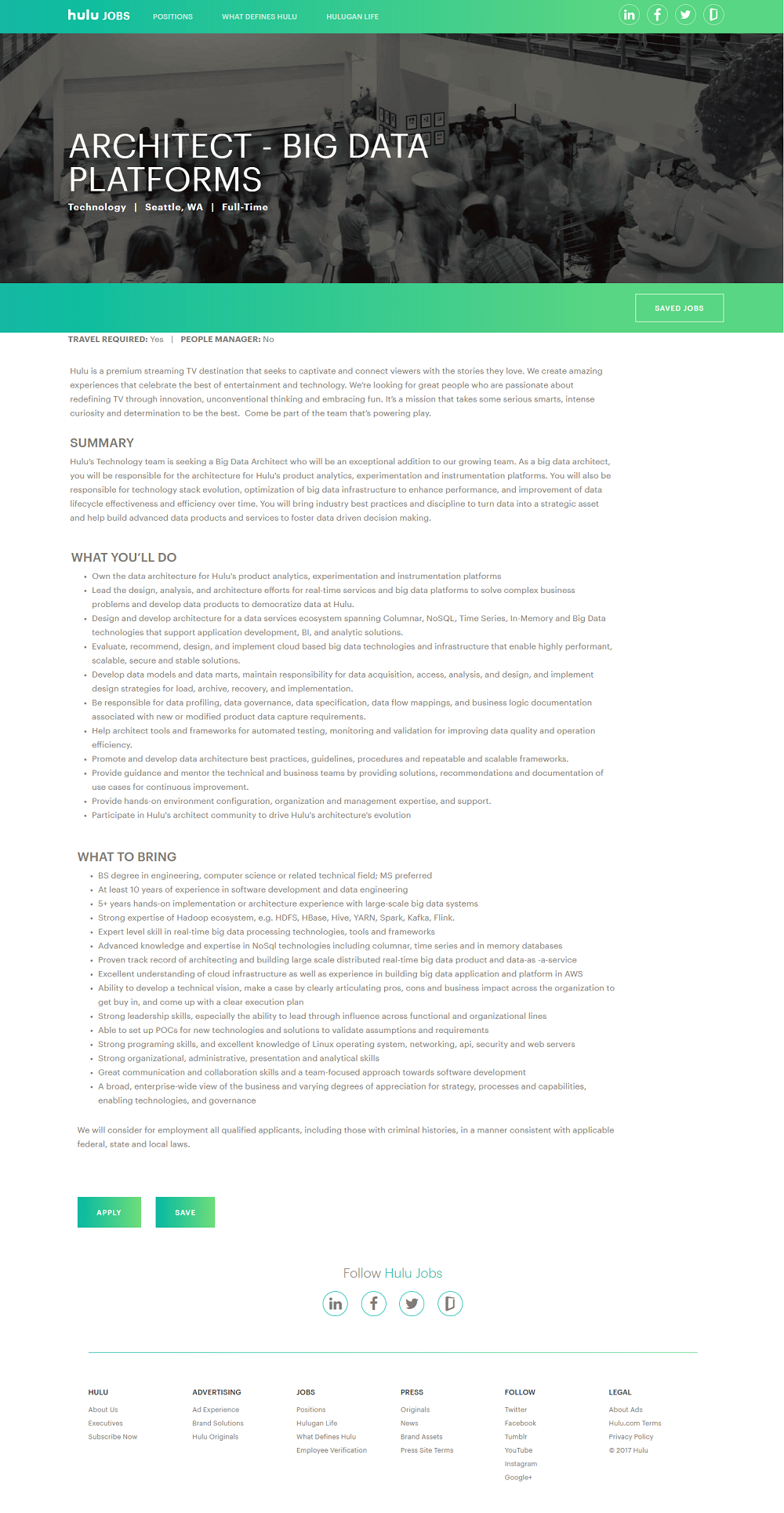
7. Hulu
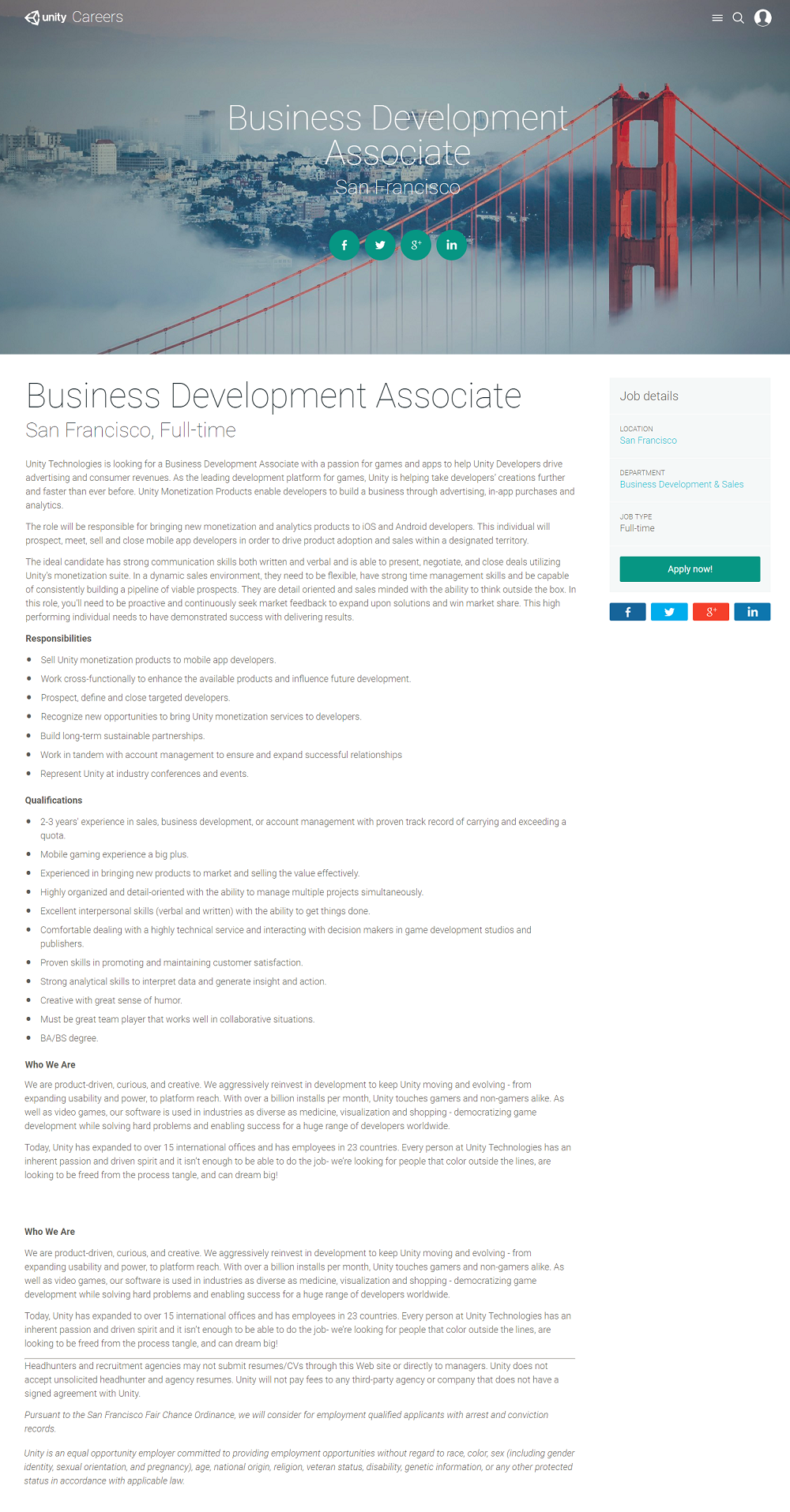
8. Unity Technologies
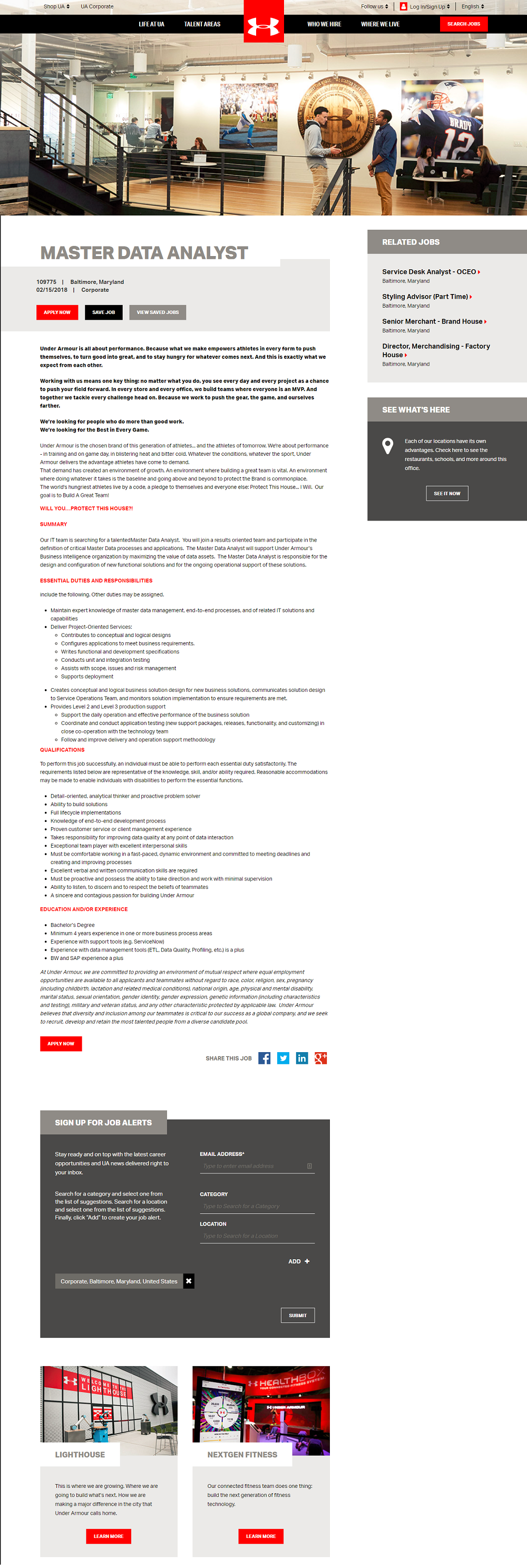
9. Under Armour
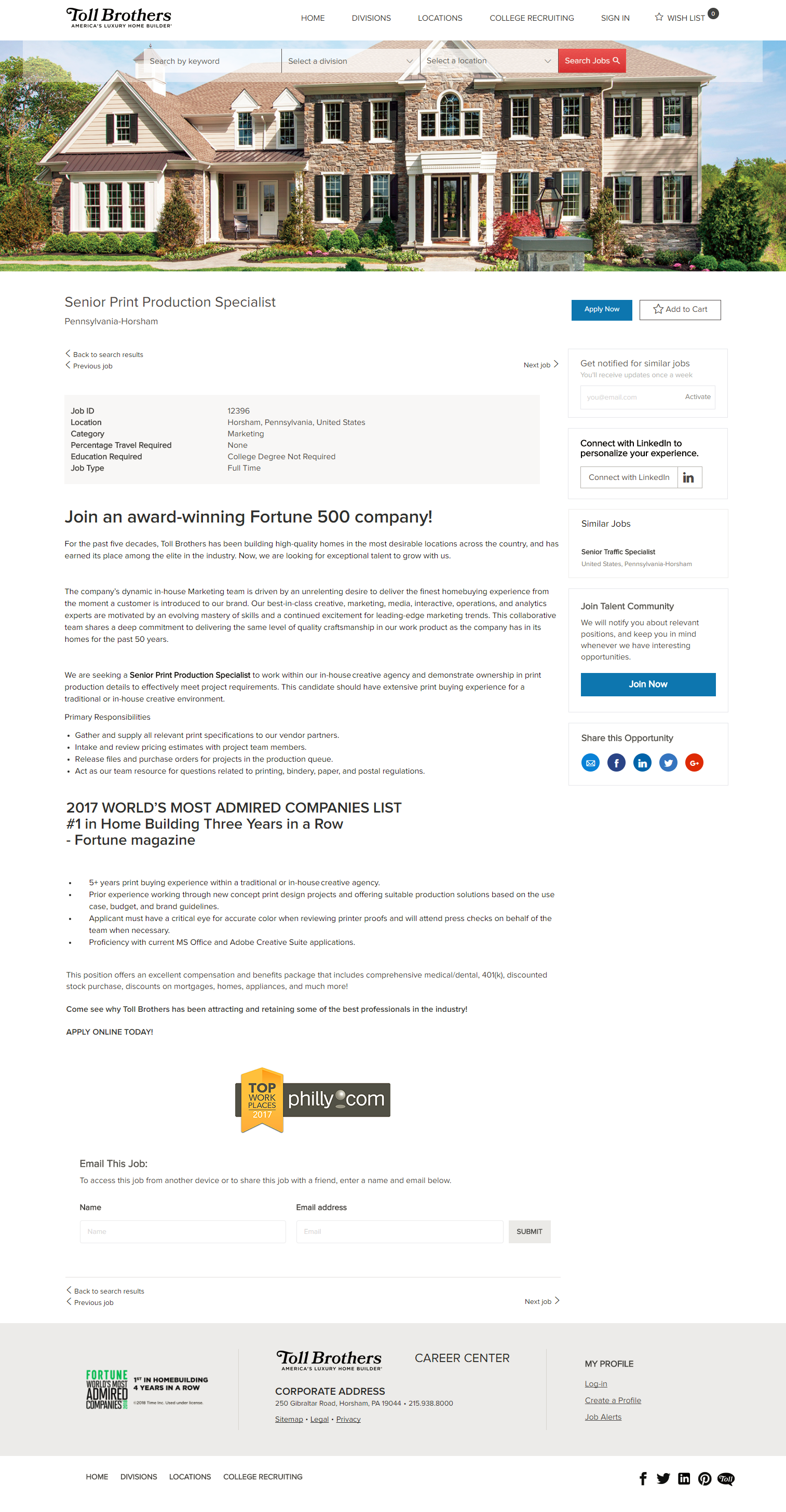
10. Toll Brothers
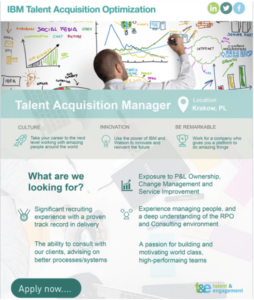
11. IBM
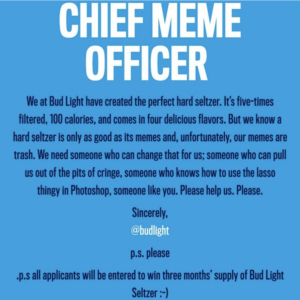
12. Bud Light
Essential Components of Great Job Descriptions
When crafting job descriptions, it’s like creating a roadmap to attract the best talent. Think of it as your job ad’s backbone, guiding potential candidates through the hiring process. Let’s break down the key ingredients that make up a standout job description.
1. Job Titles:
Your job title is the first thing job seekers see, so make it count. Creative job titles like “Chief Meme Officer” might catch attention, but ensure it accurately reflects the role to attract the right candidates.
2. Summaries:
Think of the summary as your elevator pitch. It should give a snapshot of the job, enticing candidates to learn more. Use simple language to describe the job and highlight what makes your company a great place to work.
3. Responsibilities:
Outline the day-to-day tasks and expectations clearly. Job seekers want to know what they’ll be doing, so be specific. This helps them imagine themselves in the role and assess if they’re a good fit.
Consider presenting your responsibilities concisely in bulleted points. This makes the role clear at a glance without overwhelming the candidate. The experts at Morgan McKinley recommends using strong verbs in this JD section to develop passion and interest for a role.
4. Qualifications:
Mention the skills, experience, and education needed for the job. Be realistic about requirements to attract qualified candidates. Avoid listing unnecessary qualifications to save time for both you and applicants.
Particularly, there have been ongoing debates on the necessity of degrees, which have led to major issues for otherwise qualified individuals.
TA and HR teams could consider assessing job scopes to determine degree requirements. Relevant certifications and competencies could usually suffice in shortlisting quality talent for more technical roles. A skills-first approach could give your job ads a competitive advantage in a world saturated with degree-focused vacancies.
5. Benefits:
Highlight perks like work-life balance, salary range, and any unique offerings your company provides. This gives candidates a glimpse into your work environment and motivates them to apply.
Industry experts predict that the workforce will prioritize parental benefits, paid family leave, and greater insurance subsidies into 2026.
6. Company Culture:
Showcase your company’s values and culture to appeal to candidates who align with your ethos. Whether it’s through testimonials, a short video, or a brief description, give potential applicants a sense of what it’s like to work with you.
By including these essential components in your job descriptions, you set the stage for better results in your recruitment efforts. Remember, a great job ad not only attracts good candidates but also sets the right expectations from the start.
Pro tip: Adding a visual “first 90-day roadmap” to your job ad empowers applicants from the get-go. From a culture point of view, these serve as a welcoming guide for new hires through company-specific rituals such as “healthy fruit Mondays,” “celebrating top performers with a gong,” or “reverse mentoring opportunities each month.” The guidelines and support of these initiatives can significantly reduce onboarding anxiety, especially for entry-level hires.
Crafting Compelling Content
When it comes to writing job ads, think of yourself as a storyteller. You want to grab the attention of potential candidates right from the start and keep them engaged throughout. Here are some strategies to help you craft compelling content that stands out:
Attention-Grabbing Job Titles:
Your job title is like the headline of your ad – it needs to be catchy and informative. Consider using creative job titles like “Chief Meme Officer” to spark curiosity. Just make sure it accurately reflects the role to attract the right candidates.
Engaging Summaries:
Think of the summary as your ad’s elevator pitch. It should be brief yet captivating, giving job seekers a glimpse into what the role entails and why your company is a great place to work. Use simple language to describe the job and its benefits.
Clear Responsibilities:
Outline the main duties and expectations of the role in a clear and concise manner. Job seekers want to know what they’ll be doing on a day-to-day basis, so be specific. This helps them assess if they’re a good fit for the position.
Inclusivity and Diversity
In today’s world, diversity and inclusivity aren’t just buzzwords – they’re essential aspects of any successful workplace. When crafting job ads, it’s crucial to use language that welcomes candidates from all backgrounds and experiences. Here’s why inclusivity matters and how you can ensure your job ads appeal to a diverse candidate pool:
Welcoming Language:
Using inclusive language in your job descriptions is a great way to show that your company values diversity. Avoid gendered or biased language and instead focus on describing the job and its requirements in a neutral and welcoming tone.
Pro tip: Using an AI-powered solution like Ongig’s Text Analyzer runs on algorithms that consistently identify and fix biased language. That way, you can create impactful JDs at scale without the risks of unconsciously repelling top hires.
Consideration for Diverse Backgrounds:
Recognize that candidates come from various backgrounds and experiences. Highlighting your commitment to diversity and inclusion in your job ads can attract a wider range of candidates and demonstrate that your company values different perspectives.
Reflecting Diversity in Job Requirements:
When listing job requirements, consider whether all qualifications are truly necessary or if they inadvertently exclude candidates from underrepresented groups. Focus on essential skills and experiences that will contribute to the success of the role.
Cultural Fit vs. Cultural Add:
Instead of seeking candidates who simply “fit in” with your company culture, aim to find those who can bring unique perspectives and experiences to the table. Emphasize your company’s commitment to fostering an inclusive work environment where all employees feel valued and respected.
SEO Optimization
When it comes to finding the best candidates for your job openings, it’s not just about posting the perfect job ad – it’s also about making sure it’s easily discoverable by those who are actively looking. Here are some simple tips to optimize your job descriptions for search engines and attract the right candidates:
Choose the Right Keywords:
Think about the words and phrases job seekers might use when searching for positions like yours. Incorporate these keywords naturally throughout your job description to improve its visibility on search engines.
Be Specific and Descriptive:
Use clear and specific language to describe the job and its requirements. This not only helps potential candidates understand what the role entails but also improves the chances of your job ad appearing in relevant search results.
Include Location Information:
If your job is location-specific, be sure to include the city or region in your job title and description. This helps local candidates find your job ad when searching for opportunities in their area.
Pro tip: Implement recruitment management platforms like Workable to simultaneously handle ads for similar jobs in the TA pipeline across multiple locations. Workable’s editor provides a fuss-free way to filter candidates based on their preferred location, chosen from up to six available offices/locations linked to a position.
Optimize Your Job Title:
Your job title is one of the most important elements for SEO. Make sure it accurately reflects the role and includes relevant keywords that job seekers are likely to search for.
Use Structured Data:
Adding structured data to your job postings can help search engines understand and display your job listings more effectively. This can include information like job title, location, salary range, and more.
Promote Your Job Ad on Social Media:
Share your job ad on social media platforms to increase its visibility and attract more potential candidates. Social media shares can also help improve your job ad’s search engine ranking.
Effective Communication of Company Culture
Your job description isn’t just a list of duties and requirements – it’s also an opportunity to showcase what makes your company unique. Let’s dive into how effectively communicating your company’s values and culture can help attract and retain top talent:
Reflecting Company Values:
Your job description is a window into your company’s soul. Use it to highlight the values that drive your organization and set it apart from others. Whether it’s a commitment to innovation, diversity, or work-life balance, make sure your values shine through.
Painting a Picture of Your Work Environment:
Give potential candidates a glimpse into what it’s like to work at your company. Use simple language to describe your work environment – whether it’s a collaborative startup vibe or a more structured corporate culture. This helps job seekers assess if they’ll be a good fit.
Showcasing Employee Benefits and Perks:
Your company culture isn’t just about values – it’s also about the tangible benefits you offer your employees. From competitive salaries to unique perks like free snacks or gym memberships, make sure to highlight what makes your company a great place to work.
Fostering Connection with Prospective Candidates:
By effectively communicating your company culture in your job descriptions, you’re not just attracting candidates – you’re attracting the right candidates. Those who resonate with your values are more likely to feel connected to your company from the start.
Enhancing Employee Retention:
Once you’ve attracted top talent, your job description continues to play a role in employee retention. By accurately portraying your company culture upfront, you’re setting realistic expectations and helping employees feel more satisfied and engaged in their roles
Continuous Improvement
Here’s how you can continuously improve your job descriptions based on feedback, performance data, and evolving organizational needs:
Listen to Feedback:
Pay attention to any feedback you receive from candidates, hiring managers, or team members about your job descriptions. Are there common questions or areas of confusion? Use this feedback to make adjustments and clarify your job ads.
Pro tip: AI sentiment analysis can be instrumental in detecting subtle signs that compromise hiring success rates. For example, AI may pick up recurring trends of candidates constantly addressing the lack of floating holidays or wellness programs, which could indicate an issue with existing talent policies.
Analyze Performance Data:
Dive into the data to see how your job ads are performing. Are they attracting the right candidates? Are people clicking through and applying? Look for patterns and insights that can inform your approach to writing job descriptions.
Consider a cross-analysis between JD views and candidate quality yield (how well a person fits a role through their organizational performance). High views and low applications may indicate an unoptimized call to action. On the other hand, high application rates with low hiring quality may reveal the need to reassess vague skill requirements.
Stay Agile and Flexible:
As your organization evolves, so too should your job descriptions. Be open to making changes to reflect new priorities, initiatives, or changes in company culture. This flexibility ensures your job ads remain relevant and aligned with your organization’s goals.
For example, user accessibility standards and jobseeker behavior constantly evolve, and it is advantageous to respond in design. Mobile optimization has become one emerging “must-have” for top candidate experiences. A workforce survey revealed that 67% of candidates apply for jobs from the comfort of their devices.
Test and Iterate:
Don’t be afraid to experiment with different approaches to writing job descriptions. Try out new formats, language, or visuals, and see what resonates best with your target audience. Use A/B testing or gather feedback to determine which version performs better.
Regularly Review and Update:
Set aside time on a regular basis to review and update your job descriptions. Keep them fresh and accurate by revisiting them periodically, even if the roles they describe haven’t changed. This ensures your job ads are always up-to-date and reflective of your current needs.
Why I wrote this?
Ongig is on a mission to give you the best job ads ever. Check out Ongig’s Branded Candidate Experience software to see how we let you transform your job pages with visuals and engaging recruiting widgets. If you want to optimize the text of your job ads, please check out Ongig’s Text Analyzer. Ongig also offers both in one complete solution. Please click the request demo link if you’d like to learn more!
Shout-Outs
- Thinglink – The Benefits of Immersive Onboarding and Upskilling
- SCoRe – Employee Influencers and Public Relations in 2025: Redefining Brand Trust
- Northwestern Medill – Star Ratings and Review Content How Do Star Ratings and Review Content Influence Purchase?
- HR Dive – 5 benefits predictions for 2026
- Datapeople – Are Education Requirements Necessary on All Job Posts?
- Morgan McKinley – Job Description Writing Guide – A Set Of Best Practices
- Workable – Creating and managing postings with multiple locations
- WeCP – 100 Recruitment Statistics and Trends for 2026 and Beyond
