Neurodiversity is a hot topic that has been on the lips of many employers in recent years. Regardless of whether your company is dealing with hospitality, sales, or a tech crunch, there’s always room to expand on neurodiverse hiring tactics.
We’re still somewhat facing a “reality versus expectation” type of scenario in the 2026 workplace on the neurodiversity front. A recent initiative by UK-based workplace inclusion platform Neurobridge discovered that while an estimated 1 in 5 people are neurodivergent, many employers believe that the real rates are much higher due to a lack of disclosure.
As such, the true state of neurodiversity in the workplace has not fully emerged. There’s still much to be done to ensure that organizations hire the ideal talent no matter their learning style and thought process.
To that end, we’ve summed up some of key TA findings and anticipated practices in the 2026 neurodiverse workplace.
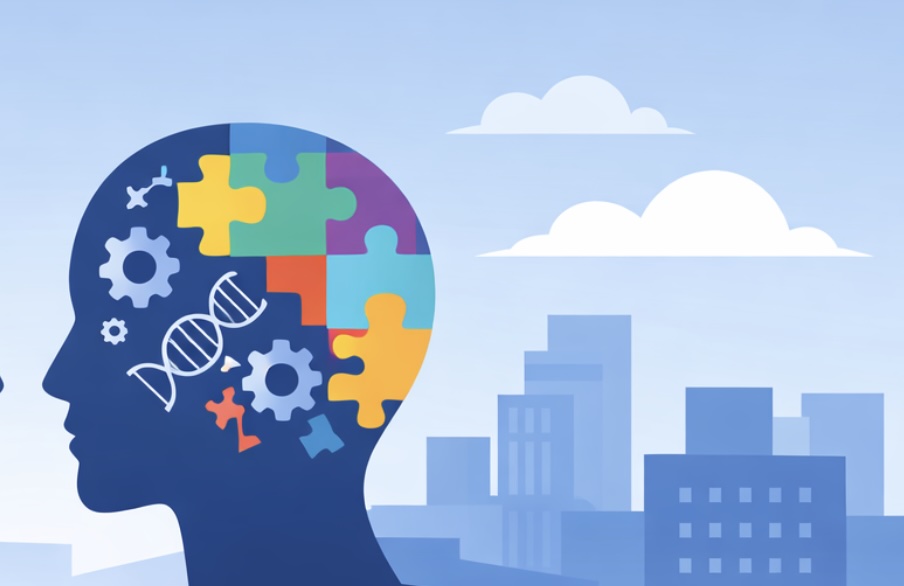
Revisiting the Importance of Neurodiversity at Work
Firstly, let’s dive straight to the why.
For practical reasons, hiring individuals with various cognitive skills enables companies to access a broader reservoir of skills and proficiencies. This is particularly advantageous in a labor market shortage plagued by skill gaps, dissatisfaction, and high turnover rates.
Tapping on underutilized and overlooked members of the workforce enables your company to find the right person for the job in staying operational and productive.
In fact, organizations are starting to reach out to neurodiversity ERGs that unpack the importance of a truly inclusive culture. These strategic partnerships enable in-house teams to address talent performance and development standards. By doing so, companies redefine the norms and expectations at work, challenging the old-fashioned concept of “standard work styles.”
Aside from the basic perks of workplace diversification, it is actually disadvantageous to overlook neurodiversity in recruitment challenges. Market research indicates that the number of US job postings mentioning neurodiversity-related keywords rose from 0.5% to 1.3% from 2018 to 2024—and the uptrend continues.
As such, the lack of neurodiversity terms in your career pages and JDs could actually be silently repelling your most prized candidates.
Recognizing Various Forms of Neurodiversity at Work
Neurodiversity spans different forms, each uniquely shaping how a person interprets information and how they communicate with their team mates. A better understanding of cognitive diversity enables talent managers and decision-makers to bring out the best in talent through workplace adjustments, resources, and empathetic conversations.
Here are some of the most common neurodiverse conditions and how they can use their strengths to give companies a competitive advantage.
Dyslexia
Largely known as a reading disorder, dyslexic team mates generally face issues with processing written information. Yet, it has been documented that dyslexic individuals tend to think outside of the box as they constantly seek alternatives to overcoming their language processing difficulties.
So, hiring dyslexic thinkers on board could ultimately lead to more creativity and innovation within the organization. Dyslexic individuals are also known for harnessing complex problem-solving and communication skills to drive industry developments.
According to the Return on Dyslexic Thinking Report, dyslexic thinking contributes roughly $195.6 billion to the U.S. economy.
Dyspraxia
While relatively less known than dyslexia, the condition affects an estimated 5-6% of the American population. Individuals with dyspraxia may feel fatigue when managing fine motor tasks such as writing and experience high sensitivity to bright lights and sound. However, the constant struggle against dyspraxia could shape individuals into resilient go-getters with a strong sense of intuition and empathy for their co-workers.
Attention Deficit Hyperactivity Disorder (ADHD)
People with ADHD may face trouble with focus and attention, which could compromise their performance in time-consuming or repetitive tasks. These may also lead to impulsive decision-making and accidental conflict as a result
On the other hand, a person with ADHD could thrive in stressful environments that require fast responses and rushed timelines. Team mates with ADHD may also bring a good dose of optimism and energy to the office. They could be just the right people to motivate other team mates and raise organizational morale.
Autism
Autism itself is a condition characterized by a wide range of personal experiences. Generally, individuals with autism may experience communication challenges that affect workplace interactions.
However, team mates with autism may excel in certain cognitive abilities, such as having a stronger attention to detail, pattern recognition, and having profound knowledge in their areas of passion. Notably, individuals with autism may disengage with the social noise at work, to discover solutions that escape the notice of their peers. Many top companies like Dell and Microsoft actively provide autistic hiring programs that make vacancies more accessible to talent.
Neurodiversity Trends to Look Out for in 2026
2026 has started off with a fair share of uncertainty through escalating global tensions alongside off-and-on AI fears. These volatile events continue to affect the workforce and job search experiences. And so, it has become crucial now more than ever for employers to reduce fear and uncertainty at work by promoting a safe space where everyone can thrive no matter their cognitive style.
Moving Beyond the “Talk” Phase
Acknowledging the problem is a necessary first step in any talent initiative. But the buck shouldn’t end there. While many organizations share a consensus on the importance of neurodiversity, intentions are not being converted fast enough to action.
2026 could be the year where more decision-makers provide more accountability in their neurodiversity claims. Mainly, by adding these promises to official workplace policies.
These could include redefined JDs (with neurodiverse language) and restructuring office layouts with relevant aids. These could be backed up with employee testimonials that showcase the rich experiences of neurodiverse team members. In other words, 2026 could see more humanization in neurodiverse efforts via real-world narratives.
Increased Empathy with Neurodiverse Talent
2026 could be the year where teams are encouraged to view neurodivergent issues as “our problem” rather than isolated “your problem” scenarios. Since companies would need all hands on deck during challenging times, it’s important to look out for every stakeholder (i.e., talent).
Recent organizational surveys report neurodivergent talent experience as much as twice the rate of burnout as their neurotypical peers. These lead to high absenteeism and employee disengagement, which compromises a team’s and organization’s performance.
From a broader stand point, neurodiversity should have always been a problem approached and evaluated by the workforce as a whole. For example, talent managers could gather insights from every team member on innovative ways to create a conducive environment that empowers neurodivergence. It could be time to involve everyone in the neurodivergence conversation.
Varied Job Application Experiences
Findings from Neurobridge discovered that many companies continue to overlook neurodivergent candidates in rigid hiring processes. Plus, one worrying statistic shows that only 46% of hiring managers have received proper training in guiding neurodivergent job seekers through their application journey.
Pools of talent continue to avoid addressing their cognitive conditions due to the fear of reproach and stigma.There’s a need for companies to normalize neurodivergence at the workplace which could gradually increase candidate disclosure.
Inclusive JDs and multimodal job applications are two potential workplace trends that could encourage greater transparency with neurodivergent hires.
2026 could see more employers diversifying application methods and interview styles.. For instance, rather than requiring text-based job applications, hiring teams could also accept video or audio submissions. TA teams could also offer competency assessments as an alternative to standard interviews, balancing the scales for neurodivergent talent with social challenges.
More Inclusive JDs
We often stress at Ongig that a JD is the first true touchpoint between the talent and organization. Hence, making a winning first impression via your JD could essentially secure top performers in the long run; it’s as good as half the battle won in a job market talent grab.
In 2026, more companies are probably going to aware about the importance of attracting neurodivergent hires with strategic JD formatting and content.
Key features to look out for in these job ads include:
- Plain language – No jargon, lengthy, or complicated language that could seriously throw an individual off if they have reading or attention disorders. It’s also a must to eliminate subtly biased language that could offend your candidates.
- Neurodivergence-employer statement – EEO statements and neurodivergent-friendly disclaimers assure candidates that they’re joining a community that would have their back as they pursue their careers.
- Strategic use of multimedia – Clear video and audio elements could make the JD more appealing to neurodivergent individuals who prefer non-text engagements. It is a more effective way to tell the organizational story without boring prospects or causing any confusion.
- Systematic application guideline – Keeping your JD details trim while highlighting steps and timelines set expectations that click well with neurodivergent talent who prioritize clarity.
Better Equipped Managers
Managers are solid pillars in a team, often seen as a source of direction and inspiration. This is especially so for neurodivergent team members seeking extra support or concessions for their workplace needs. Unfortunately, according to Neurobridge, more than half of managers report a lack of skills and training in assisting neurodivergent talent
The call for more empathetic managers with skills such as active listening, could become an organizational priority in 2026.
Talent managers would probably undergo upskilling and reskilling with expert-led workshops, seminars, and collaborations with neurodiverse consulting firms like Auticon. This could also see a demand for neurodivergent-related soft skills (with keywords like “multimodal communication” and “sensory awareness”) in JDs for managerial roles.
Increased AI Adoption
AI has emerged as a great equalizer in the modern, tech-savvy workplace. An industry report revealed that neurodivergent team members are more likely to use AI technology in managing workflow and communications than their neurotypical peers.
Organizations could apply AI in many ways that benefit neurodiverse talent. These include software that create structured action items and conduct communication tone checks in real time. These initiatives could facilitate smoother communications and minimize misunderstandings and conflicts at work.
Companies with a more AI-integrated work culture could attract neurodivergent candidates. There’s great psychological safety promoted in such progressive work environments, which could boost the diversity and quality of hire.
Closing Thoughts – Future-Proofing Your Organization for Neurodiversity Excellence
Employers have entered the era of rapid adaptation in light of job market instabilities and fickle global tensions. These have shaken the workforce. By recognizing the needs of neurodiverse individuals and empowering them, teams can continue to close the skill gap with efficient hiring.
Here’s a TL;DR summary of the steps to power up neurodiversity initiatives amid the 2026 landscape:
- Less “talking” and more “walking” – It’s time to translate those neurodiverse intentions into measurable outcomes, ideally through clear workplace policies.
- Standing with neurodiverse talent – It’s no longer about “solving your problem” but rather seeing neurodiverse issues as a shared challenge to be resolved by the entire team.
- Applying an “all roads lead to Rome” approach to job applications – Ultimately, an effective hiring campaign is meant to shortlist the people most suited for a job. It’s often not a nationwide search for the most talkative or expressive individual (unless the role actually requires specific social skills). Offering various ways to showcase one’s merit for a job aside from text-heavy applications or standard interviews can really knock down neurodiversity barriers.
- Empowering managers – Well-trained managers are true talent developers. As such, great managers should be able to recognize and value the strengths of neurodivergent hires. Expanding on the toolkit of your talent developers requires constant upskilling in delicate engagement areas such as interviewing, onboarding, and career pathing.
- Integrating AI across organizational processes – Neurodivergent teams are highly receptive to AI as a performance solution. Your company could integrate AI in areas such as team communications, routine tasks management, and TA campaigns.
Speaking of AI…
JDs remain an integral component in the talent pipeline. An effective JD draws top hires and determines if they’d stay for the long term. By clearly wording your JD, you can stay ahead of the curve to ensure that your company never overlooks the ideal job fit.
Gone are the days of manually vetting JDs in keeping them engaging and compliant. Your enterprises can now leverage AI’s accuracy and scalability to keep descriptions in check whether you’re dealing with ten or a thousand open vacancies.
Through Ongig’s AI-driven smart solution, you can constantly hire talent of all backgrounds (top performers with all forms of cognitive strengths) without missing a beat.
Why I Wrote This?
Ongig has always been focused on one powerful goal: ensuring that companies are not missing out on the most qualified talent. We achieve this through AI breakthroughs that match TA managers and employers with top candidates through an advanced algorithm.
As such, we’re turbocharging skills-based hiring that creates increasingly neurodiverse workspaces. Request an Ongig demo today to eliminate bias and boring JDs and start drawing top matches consistently.
Shout-Outs!
- Hiring Lab – March 2025 US Labor Market Update: Neurodiversity Inclusive Postings Are Rising, but Untapped Potential Remains
- Neurobridge – The State of Neurodiversity in the Workplace 2026
- ADHD Flow State – 15 Emerging ADHD And Neurodiversity Trends In 2026
- EY Global Neuroinclusion at Work Study 2025
- Dyspraxia DCD America -Dyspraxia/Developmental Coordination Disorder (DCD)
- Forbes – Dyslexic Thinking: The Untapped Superpower That Could Fuel U.S. Economic Growth
- Hanover – Neurodiversity – How can leaders embrace it?
- Psychology Today – Strengths That Autistic Adults Often Bring to Work and Life
- Foothold – Neurodiversity at work: How leaders and managers can support neurodiverse staff to thrive
- People Matters- The advantage of hiring neurodiverse talent
