Building an authentic employer brand is more important now than ever. It shapes how your company is seen by talent, and it affects hiring, retention, and long-term performance. In a busy job market, you need more than good pay or a nice office.
Today, blending AI-driven visuals with holistic employee benefits gives you a real advantage — if done well.
Here’s a detailed yet easy-to-follow guide for HR leaders and talent acquisition professionals.
Why “authentic employer brand” matters — with real data
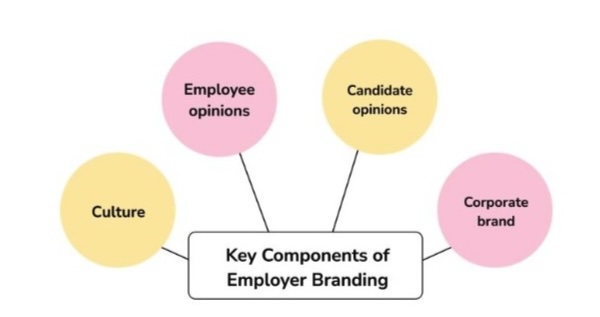
Companies that invest in employer branding see significant gains. For instance:
- According to the MarketBiz report, a strong employer brand can reduce hiring costs by up to 43% and decrease the cost-per-hire by as much as 50%.
- Universum Global states that it also reduces turnover, with companies reporting a decrease of up to 28%in employee churn.
- ACR Journal’s research shows that employees aligned with a strong brand are more engaged and productive. This translates into higher retention and performance.
- With good employer branding, hiring cycles go faster — roles fill 1–2 weeks faster, according to TalentNet Group’s research.
TL;DR: An “authentic employer brand” helps you attract better candidates, spend less on hiring, keep employees longer, and overall build stronger teams.
Because of that, employer branding isn’t a “nice-to-have.” It’s a strategic advantage.
What “authentic employer brand” really means
The phrase authentic employer brand isn’t just buzz. It’s a real, meaningful description of how people — both inside and outside your organization — perceive you as an employer.
An authentic employer brand means:
- Your public story aligns with the reality of what’s actually inside (culture, values, benefits).
- Employees feel the brand promise is real. They don’t feel you’re “selling something false.”
- Your employer brand is both attractive to outsiders and meaningful for employees.
- It integrates visual identity, values, benefits, culture, and everyday experience.
So authenticity isn’t decoration. It is the alignment between what you promise and how you deliver.
Why is it important for employees
When building a holistic benefits strategy that authentically represents your employer brand, it’s essential to address the full spectrum of employee needs. This includes the needs that may arise from unforeseen health circumstances.
A truly comprehensive benefits package extends beyond standard health insurance. It includes robust disability coverage that protects employees during life-altering medical events.
According to the CDC report, around 28.7% of adult Americans live with some form of disability. By recognizing this, employers must demonstrate genuine support through both short- and long-term disability programs.
Understanding what qualifies for disability under federal programs, such as SSDI, can help HR professionals design supplemental employer-sponsored benefits that fill coverage gaps and provide meaningful financial protection.
When organizations visibly prioritize these comprehensive protections—and communicate them effectively through authentic visual storytelling—they signal to current and prospective employees that their commitment to wellbeing extends beyond conventional offerings into the moments that matter most.
The role of AI-driven visuals in building brand authenticity
Visuals — images, videos, graphics — are powerful. They shape first impressions. They influence whether a candidate feels this could be a good fit for me.
Why visuals matter
Visuals have always been a crucial element in every strategy. However, building brand authenticity means visuals are a vital part of your strategy.
Here’s what MarketBiz’s research has to say about it:
- Many job seekers research a company’s culture via social media before applying.
- Visual content (photos, short videos) tends to drive more engagement than plain text.
Yet creating good visuals is hard. According to a recent social-recruiting report by Content Stadium:
- In 2023, 85% of employer-branding/recruitment-marketing professionals said they struggle to create social content (images/videos).
- 30% of them had no one on the team with real creative or design skills.
That’s where AI helps.
How AI-driven visuals help you
- AI tools (image-generation, video templates, design assistants) can quickly create on-brand visuals.
- You can maintain consistency in colors, style, and moods, all aligned with your brand values.
- You save time and cost compared to hiring agencies or full-time designers.
- You can produce visuals regularly — for careers pages, social media, internal comms — without burning out your team.
Tips for using AI visuals while staying authentic
Here’s how to remain authentic when using AI for creating visual branding:
- Start with real-life references. Use actual photos from your office, team events, and remote-work setups. Let AI enhance or adjust them — don’t rely only on “stock” images.
- Use employee-generated content + AI polish. Ask real employees to send photos or short clips. Then, use AI tools to refine the lighting and apply consistent branding overlays. You can also create short videos.
- Keep visuals honest. If your company culture is casual and friendly, use it. Show real moments like candid teamwork, relaxed breaks, remote calls, and hybrid setups. The goal isn’t perfection. It’s genuineness.
- Ensure diversity and inclusion. Reflect the real mix of your employees — different backgrounds, genders, and roles. An authentic employer brand isn’t a “glossy brochure.”
- Use visuals across candidate touchpoints. Careers page, social media, job ads, internal comms. Consistency builds recognition and trust.
By combining real experiences, AI polish, and consistent design, you signal: this is who we are, and we live it.
Why holistic employee benefits are key to authenticity
Visuals draw interest. Benefits keep and engage people. That’s one of the reasons why employee benefits are important for employer branding.
But “benefits” today mean much more than health insurance or cafeteria food. A holistic benefits package — encompassing physical, mental, social, and financial aspects — is central to building a sincere employer brand.
Operational excellence is part of employer branding because it shapes the employee experience.
Your internal operations influence your external employer brand.
For example, many practices and clinics are using virtual assistants for doctors to reduce administrative overload.
Less burnout + more support = a workplace that people want to join.
What holistic benefits include
Here are some examples of holistic benefits:
- Work-life balance: flexible schedules, remote work, hybrid models.
- Health and wellness: mental health support, ergonomics, wellness programs, preventive care.
- Career growth & learning: training, continuous learning, career path clarity.
- Supportive environment: psychological safety, inclusion, supportive leadership, sense of belonging.
- Personalized benefits: because employees’ needs differ (e.g., young parents, remote workers, students).
When you deliver real support, the employer brand becomes more than a slogan. It becomes a lived reality.
Holistic benefits in action
As companies reassess the meaning of employee benefits, telehealth has become a surprisingly significant component of the equation.
Take platforms like Henry Meds, which have carved out a niche by offering:
- Hormone replacement therapy
- Weight management programs
- And other specialized treatments
Most traditional insurance plans either don’t cover these treatments well or are incredibly difficult to access.
When employers include options for testosterone online and similar services in their benefits packages, they’re making a statement.
The statement being: “Wellness isn’t just about dental insurance and gym memberships anymore.”
Employees dealing with hormonal changes, chronic conditions, or age-related health issues need real solutions, not just generic wellness programs.
Prioritizing initiatives focused on employer healthcare cost reduction can strengthen both your brand narrative and your long-term workforce sustainability.
This is crucial for employer branding.
Companies can invest as much as they want in AI-generated visuals and polished messaging about “putting people first,” but if the actual benefits don’t align with what employees need, the brand rings hollow.
Telehealth services that address specific, often stigmatized health concerns demonstrate to employees that their employer genuinely understands the modern challenges of healthcare.
That kind of authenticity is something no amount of visual branding can replicate.
Combining AI-driven visuals + holistic benefits: A step-by-step blueprint
Here’s how you can build an authentic employer brand — using both visuals and benefits — in a structured way.
Step 1: Define your identity and EVP (Employer Value Proposition)
EVP is crucial:
- Bring together leadership, HR, and a select group of employees.
- Ask: What do we stand for? What culture do we want? What makes working here meaningful?
- Condense that into a concise EVP statement. Example: “Freedom + support + growth.” Or “We care about your whole life — not just work.”
- Identify core benefit themes: work-life balance, wellbeing, growth, community, diversity.
Your EVP becomes the foundation. Everything else builds from it.
Step 2: Audit your current visuals and benefit reality
Check all these boxes:
- Review your careers page, social media, internal communications, and recruitment ads. Do the visuals reflect real life? Or do they feel staged?
- Survey or talk to current employees. Are the benefits working? Is culture as advertised? Do people feel supported?
- Note gaps. Your visuals may be weak or misaligned. Your benefits may be minimal or poorly communicated.
You can’t build authenticity on falsehood.
Step 3: Use AI to complement — not replace — real content
Moderation is a must:
- Ask teams to provide real photos and short videos of their daily work, remote setups, team events, and cultural moments.
- Use AI tools to polish them. Adjust lighting, create cohesive branding, overlay logos or brand colors, and make short social videos.
- For roles lacking visual content (e.g., remote, hybrid, or non-office-based): create stylized yet honest visuals — perhaps stylized graphics, quotes from employees, and small videos.
Aim for consistency and honesty. The visual tone becomes part of the employer brand.
Step 4: Build/improve holistic benefits — and communicate them
Communication is the key:
- Implement flexible work, wellness programs, mental health support, learning opportunities, and community initiatives.
- Make sure benefits are accessible to all employees. Inclusivity and fairness matter.
- Document and communicate benefits clearly (e.g., booklets, intranet, social media, during recruitment).
Then highlight those benefits in your visuals. For example, show a remote work scenario, a wellness day, or a team workshop.
Step 5: Share real stories — from real employees
Being real still matters:
- Encourage employees to share their experiences. Use short videos, quotes, and images.
- Focus on diverse voices (junior, senior, remote, office-based, different departments).
- Use social media, websites, and recruitment platforms. Authentic employer brand grows when real people speak up.
Step 6: Monitor feedback and results — treat it like any business metric
Analyze everything:
- Track analytics: time-to-fill, number of applications, quality of applicants, cost-per-hire, turnover over time. Compare before and after employer-brand efforts.
- Collect employee feedback: satisfaction, engagement, suggestions, and inclusivity.
- Adjust and iterate: Branding is not “set and forget.”
Common pitfalls — and how to avoid them
Sometimes mistakes happen. Doing your best to avoid them by being ready is what counts. Here’s what you need to pay attention to:
- Pitfall: visuals don’t match reality. If your photos resemble lifestyle stock photos but your employees don’t, you risk being perceived as inauthentic.
- Fix: Always start with real content. Use AI only for polishing.
- Pitfall: benefits are weak or generic. If your benefit package is limited (just salary plus a small bonus), no amount of glossy visuals will make it seem real.
- Fix: Invest in benefits that matter — flexibility, wellness, growth, support.
- Pitfall: one-time effort. Employer branding isn’t a “launch once” campaign. It needs ongoing commitment.
- Fix: Treat it like a living program: collect stories, update visuals, adjust benefits, review feedback.
- Pitfall: lack of employee voice. If only leadership decides what “authentic employer brand” means, it will feel top-down and inauthentic.
- Fix: Involve employees. Let them tell their stories. Give them a voice.
Putting it all together: A sample action plan for HR leaders
Now that you understand what you need to do, here’s an action plan on how to do it:
- Month 1: Define EVP & brand story. Workshop with leadership and representative employees. Write 2–3 sentences capturing who you are.
- Month 1–2: Audit. Review all candidate-facing materials. Survey employees about satisfaction, benefits, and culture.
- Month 2–3: Collect real content. Ask employees to share photos/videos (office, home-office, team events, daily work, etc.). Ensure diversity across roles and backgrounds.
- Month 3: Use AI tools to polish visuals. Clean up photos, add branding elements, create templates for social media, videos, and the career page.
- Month 3–4: Improve benefits (if needed). Survey to find gaps. Add flexible work policies, wellness programs, and learning opportunities. Communicate that to employees.
- Month 4–5: Launch employer-brand campaign. Publish “day in life” videos, employee spotlights, benefits highlights on the careers page, social media, and job ads.
- Month 5+: Monitor & iterate. Track application numbers, candidate quality, time-to-fill, turnover, employee feedback, and engagement. Adjust visuals and benefits accordingly.
Wrap up
An authentic employer brand isn’t about flashy pictures or trendy slogans. It’s about aligning what you promise with what you deliver. When you combine sincere, holistic benefits with real, honest visuals (even enhanced by AI), you build something powerful:
- You attract candidates who believe in you.
- You retain employees who trust you.
- You create a workplace where people are proud to belong.
And that, in turn, becomes your competitive edge.
Check out our blog for more information on employer branding.
Author bio:

Kelly Moser is the co-founder and editor at Home & Jet, a digital magazine for the modern era. She’s also the content manager at Login Lockdown, covering the latest trends in tech, business and security. Kelly is an expert in freelance writing and content marketing for SaaS, Fintech, and ecommerce startups.
