
- 14 Best Practices for Job Description Management Across Large Hiring Teams - February 10, 2026
- How To Design a Job Architecture That Supports Career Paths and Pay Bands - February 5, 2026
- How to Build a Talent Pipeline That Supports Rapid Product / Engineering Scaling - December 15, 2025
When you’re building products at scale, you could need a talented engineer at any time. But without access to high-quality candidates at your fingertips, you risk dragging out the hiring process. Or, worse, not meeting your product development goals.
Luckily, you found this article, which lays out exactly what you need to do to build a successful talent pipeline.
Here are the top talent acquisition strategies we recommend, so you can get back to building your products without the stress of wondering where your next hire is coming from. 👇
Table of Contents
How to Build a Talent Pipeline That Supports Rapid Product / Engineering Scaling
Get Clear on Your Rapid Product Engineering Goals
Identify Which Talent Supports Your Goals Best
Have a Rapid Engineering Product Building Protocol
Unify Recruiting, Product, and Engineering Leaders
Fill Your Talent Pipeline With Qualified Candidates
Use Ongig to create job descriptions for the roles you need
Choose sourcing strategies and build your talent pipeline
Keep your candidates engaged in the pipeline
Take your employer branding seriously
Track how effective your talent pipeline and recruitment strategy is over time
FAQs About How to Build a Talent Pipeline
Get Clear on Your Rapid Product Engineering Goals
How many fast products do you want to bring to market and by when? How many product engineers do you need at a time or per project to make that happen?
Meet with other leaders on your product development team to plan out a realistic timeline.
Here’s an example:
- You want to bring one new product to market every month for the next six months. (Six total products.)
- Past projects show each fast product needs a six-person engineering pod: Three backend, two frontend, and one QA.
- You currently have eight engineers, but only two of them are available to work on new projects over the next six months — the others are working on longer projects. You also restrict your engineers to working on only one product at a time.
- This means you need to fill four missing roles for every month during the six-month run.
So, in this case, you need to hire 4 engineers in total. (Or bring on four contractors for the six-month run.)
This gives you a clear headcount plan and a realistic release cadence.
Identify Which Talent Supports Your Goals Best
List out the specific roles and talent requirements you’ll need for your rapid product engineering goals, including:
- Experience level
- Niche expertise
- Certifications
- Hard skills
- Soft skills
For example, if you’re looking for someone who can help you create an SBA loan calculator, you’ll likely need:
- A software product engineer who works on features, user flows, and technical implementation.
- A developer who knows how to handle the logic, the UI, and how it fits into the larger product.
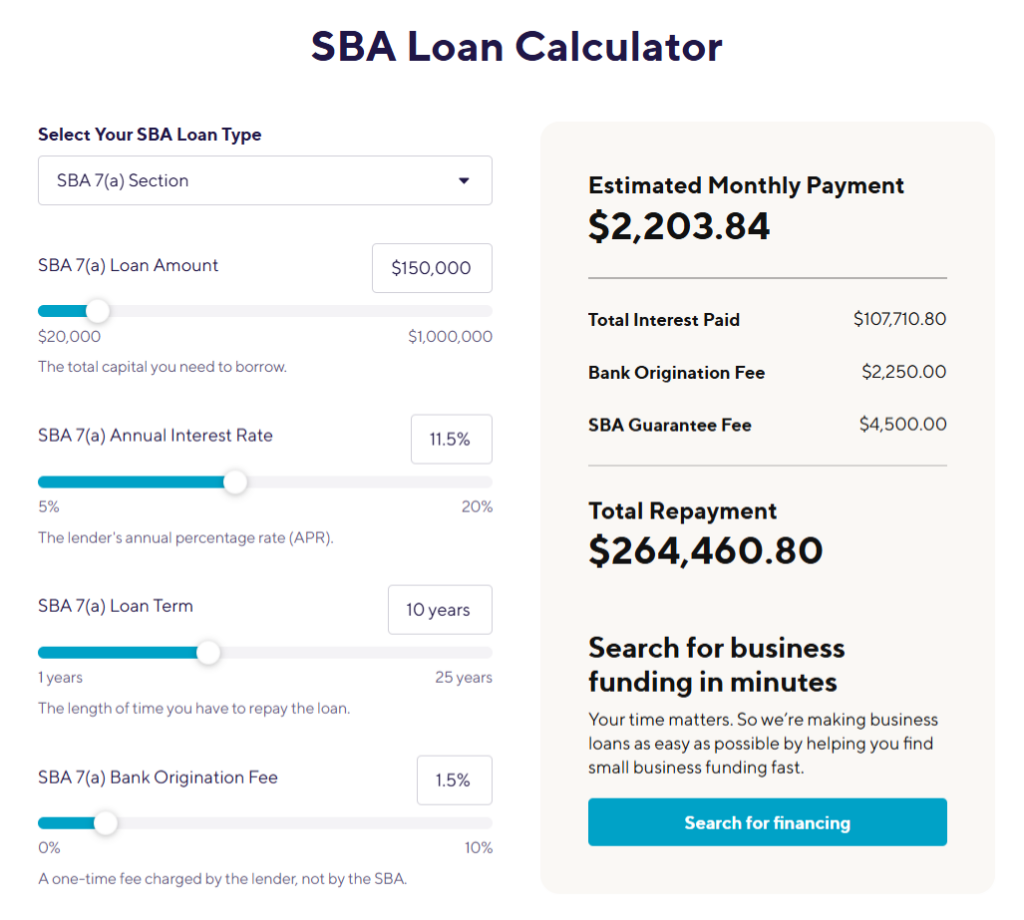
SBA Loan Calculator
If you have additional product goals without a set timeline yet, jot those down, too. Identify the roles and talent requirements you’ll eventually need, and let your recruiters know the timing is flexible for now.
*Pro-Tip: Use Ongig to create automatic job descriptions for the roles you need. More on this below.
Have a Rapid Engineering Product Building Protocol
Create a product-building system to speed up the product engineering process.
If your process is slow, candidates will wait too long in the pipeline and may no longer be available when you need them.
For example, if you’re building AI apps, your protocol might include using an AI app builder to speed up the process, working in one-week sprints, and creating the highest-impact features first.
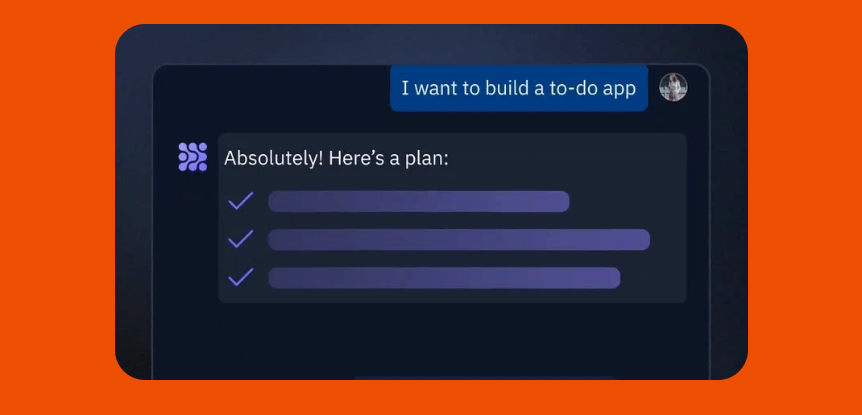
AI App Builder
Make sure you’ve tested your process across multiple products to ensure it consistently helps you build stable, reliable products quickly.
Unify Recruiting, Product, and Engineering Leaders
After you’ve outlined your development protocol, talent needs, and product goals, get together with recruiters and project leads to lay out the next steps.
Walk them through the project timeline, the roles you need to fill, and any critical skills or candidate experience that matter most.
(Remember to give them a heads-up about any additional product goals you have, even if there isn’t a timeline for those yet. Recruiters should still start filling the pipeline for those roles, so candidates are ready when you are.)
During your leadership meeting, invite questions and get their take on possible roadblocks or alternative ideas.
And explain who’s responsible for what.
For example:
- Recruiters handle sourcing and keeping the pipeline moving.
- Engineering covers the technical must-haves.
- Product leads explain feature priorities.
Set up a regular check-in schedule to tweak plans as projects progress and keep everyone aligned.
Below, we’ll walk you through how to support recruiters with job descriptions and sourcing strategies to keep your pipeline aligned and full.
Fill Your Talent Pipeline With Qualified Candidates
Here’s how to write your job postings and use sourcing strategies for your product engineering roles:
Use Ongig to create job descriptions for the roles you need
Start by using Ongig or similar tools to create precise, inclusive, outcome-focused job descriptions.
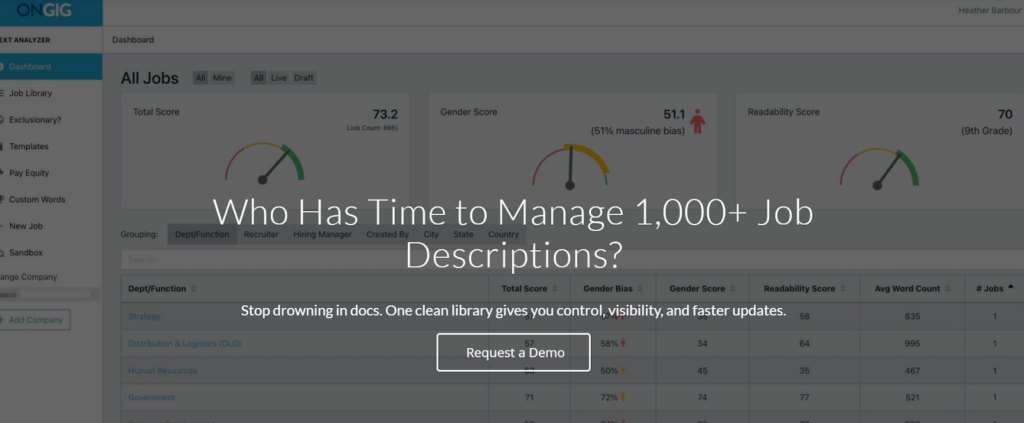
Ongig Job Descriptions
Include hard skills, certifications, domain expertise, soft skills, and success metrics. Add small tasks or examples that mirror real work candidates will perform to set clear expectations.
You can also use Ongig to flag your job postings for biases and compliance issues.
Choose sourcing strategies and build your talent pipeline
Next, choose sourcing strategies to fill your talent pool and speed up the recruitment process.
For example:
➜ Leverage employee referrals. Reward engineers for referring peers that have the skill sets you need. Track success by quality of hires, not volume of referrals.
➜ Engage passive candidates on social media. Reach out on LinkedIn, GitHub, or Stack Overflow for potential passive candidates. Comment on projects, congratulate achievements, or ask questions about their work to start meaningful conversations.
➜ Post on niche job boards. Find specialists where they spend time, such as AI, cybersecurity, or frontend-specific boards.
➜ Run targeted ads. Use social media, job platforms, and professional communities to promote open roles to the right audience. Tailor messaging to the skills and experience you need, and track which ads bring in the strongest candidates.
➜ Attend local events and industry conferences. Meet talent before roles open, capture contacts, and follow up with personalized messages.
➜ Build partnerships with schools, bootcamps, and professional programs. Bring early-career candidates into your ecosystem. Train and mentor them on your tech stack so they’re ready when positions become available.
➜ Tap internal talent: Look at your current employees for skills and interests and identify who can step into upcoming roles. Promote or upskill employees to fill positions when possible.
Once you have a robust talent pipeline, focus on candidate engagement. 👇
Keep your candidates engaged in the pipeline
Stay in touch with job candidates regularly so they feel connected to your team and motivated to help when the time comes. (For example, reach out monthly, bi-monthly, or quarterly.)
Send helpful or personal updates, invite them to events, and share news about upcoming roles.
Take your employer branding seriously
Show candidates what it’s like to work with you through concrete examples.
Highlight projects, technology stacks, team structure, mentorship programs, and growth opportunities. Share these stories on social media, blogs, or in videos to give candidates a clear view of your culture and show off your strong employer brand.
Employer Brand
For example, post a video showing engineers tackling a complex product challenge. Or take candidates behind the scenes and explain your sprint planning process.
These examples demonstrate your company’s impact and innovation, and help draw in high-quality candidates who align with your mission.
Another way to draw in top talent is by launching peer training programs.
Pair experienced engineers with newer hires or internal talent moving into new roles. Peer programs can help accelerate onboarding, transfer knowledge quickly, and reinforce your company culture. Use training software to give mentors an easy way to share resources with their peers.
For example, a senior engineer can guide a junior team member through your codebase and share tips on workflows or best practices.
Rotate mentors periodically to broaden knowledge sharing across the team.
Peer training also strengthens engagement. Employees see growth opportunities, feel supported, and step into new roles more confidently.
At the same time, it enhances your employer brand. Showcasing mentorship and peer learning demonstrates that your company invests in people and supports career growth. (Two qualities that attract high-quality candidates and make top talent excited to join.)
Track how effective your talent pipeline and recruitment strategy is over time
Measure your pipeline performance as you build relationships and fill roles. Analyze your talent acquisition results by role, seniority, and team.
Use metrics like:
- Time-to-fill roles: Track how quickly candidates move from initial contact to offer acceptance.
- Pipeline velocity: Monitor how fast candidates move through each stage of the funnel.
- Source effectiveness: Identify which channels deliver the strongest candidates.
- Quality of hires: Check whether new hires perform well.
Use these insights to adjust sourcing channels and job descriptions.
Continuously optimize your process to keep your pipeline strong and aligned with product needs. And remember to continue nurturing every candidate relationship. (You never know when a potential lead will become one of your best hires.)
Wrap Up
Building a talent pipeline is a must if you have ambitious product development plans. But it takes a proactive approach and continuous nurturing to keep your talent pool fresh.
Remember to:
- Map out your product goals and timelines.
- Define the roles and skills you’ll need.
- Create a product building system to speed up the product engineering process.
- Align your recruiting, product, and engineering leaders.
- Support recruiters with clear, outcome-focused job descriptions. (Use Ongig!)
- Use targeted sourcing strategies.
- Keep candidates engaged with updates, events, and meaningful conversations.
- Create an employer brand.
- Track performance metrics and refine the process as you go.
When your pipeline is active and nurtured, you can scale projects efficiently, hit product deadlines, and bring on engineers who fit your team perfectly.
Psst. Need a faster way to create job postings? Use Ongig to optimize the entire process. Request a demo now.
FAQs About How to Build a Talent Pipeline
1. What is a talent pipeline?
A talent pipeline is a group of potential candidates you stay in touch with so you can hire faster when roles open up.
2. Why is building a talent pipeline important?
Building a talent pipeline supports your team to always have access to qualified candidates. It helps you fill jobs faster, spend less on hiring, and find better candidates as your business grows. It’s a must if you have ambitious product development goals.
3. How do you build a talent pipeline?
To build an optimal talent pipeline, you’ll need to:
- Forecast upcoming hiring needs based on projects and growth plans.
- Define the skills, experience, and seniority you require for each role.
- Source candidates from multiple channels. (Including employee referrals, social media, niche boards, schools, bootcamps, and events.)
- Engage regularly by sharing updates, inviting candidates to events, and checking in on career goals.
- Track metrics such as time-to-fill, pipeline velocity, source effectiveness, and quality of hire to continuously refine the process.
4. Can internal candidates be part of a talent pipeline?
Yes. Promoting people from within speeds up hiring and helps retain employees longer. These candidates are already familiar with your processes so you won’t have to worry about lengthy training and onboarding.
5. How often should a talent pipeline be updated?
Update your talent pipeline regularly. Keep adding new candidates and stay in touch so your pipeline stays fresh.
6. What technologies help build and manage talent pipelines?
Tools like ATS platforms, CRM systems, AI sourcing tools, and automated messaging software make it easier to organize and nurture candidates. You can also use Ongig to create inclusive job descriptions that fit into your talent pipeline strategy.
7. How can data from past hires improve my talent pipeline?
Analyze performance, retention, and skill gaps from previous hires. Use that data to refine job descriptions and prioritize skills that predict success. This helps you attract candidates who perform well and fit your team culture.
8. How can cross-team projects feed my talent pipeline?
Cross-team exposure strengthens engagement and builds a deeper, more flexible talent pool.
Involve employees in projects outside of their main roles to uncover hidden skills and potential. These experiences reveal internal candidates who are ready to step into new positions.
Author Bio:

Luca Ramassa is Outreach Specialist at LeadsBridge, passionate about Marketing and Technology. His goal is to help companies improve their online presence and communication strategy.
