
- How Large Organizations Can Optimize Their Hiring Pipeline: 5 Effective Strategies - April 13, 2026
- How Technology is Transforming the Way Recruiters Analyse Employee Soft Skills for Roles - December 3, 2025
- How HR Teams Are Using Generative AI to Simplify Recruitment and Improve Retention - May 13, 2025
Hiring top talent is a crucial goal for any large organization. However, in 2026, recruitment remains a major challenge for businesses all across the globe.
With a shortfall of 2.5 million highly skilled workers in the country and a staggering 75% of organizations reporting difficulty in securing full-time positions, the hiring landscape is in need of urgent reform.
With that said, we’ve put together five effective strategies to implement into a large-scale recruitment drive in 2026 to onboard the best talent.
Embrace AI For Sourcing and Screening
Over half of all large organizations already use AI in the recruitment process. From generating job descriptions to screening CVs and automating candidate searches, the list of possibilities is endless when it comes to integrating AI into your recruitment workflow.
AI-driven hiring tools are brilliant at helping you expand your sourcing beyond your usual reach. With the ability to scan large talent pools with ease, AI-powered algorithms can cherry-pick potential talent from job boards, social platforms and even internal databases, so you don’t have to.
Once sourced, AI tools screen candidates with implicit accuracy. AI-powered recruitment platforms can analyze CVs, resumes and portfolios based on your specific skills and keywords related to the job role.
While your team is still making that important final decision, AI steers you in the right direction. In fact, 70% of enterprise-size businesses now use AI-powered ATS software to screen CVs. Investing in a modern Applicant Tracking System (ATS) is the key to streamlining your hiring pipeline.
With added features such as automated CV screening, algorithm-informed candidate ranking and smart scheduling, AI-powered ATS technology aims to simplify the candidate selection process and speed up hiring decisions before talent is snapped up elsewhere.
(Image Source: SeeMeHired)
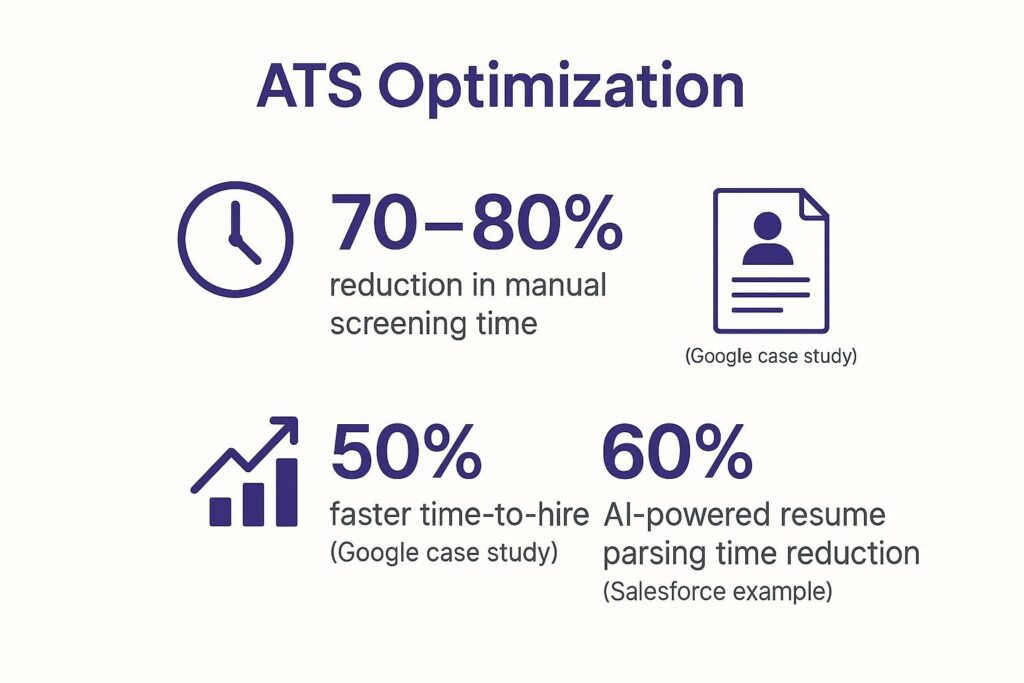
ATS optimization could help your HR team see a 70-80% reduction in manual screening time and hire workers twice as fast, according to a recent Google Case Study.
Enhance Job Description Performance with Smart Optimization Tools
One of the most overlooked areas in a hiring pipeline is the effectiveness of your job descriptions.
Poorly optimized descriptions not only limit your job posting visibility but, in some cases, could impact your applicant pool’s quality and even introduce bias to the recruitment drive.
This can be especially damaging for large organizations, aiming to secure top talent from job descriptions alone.
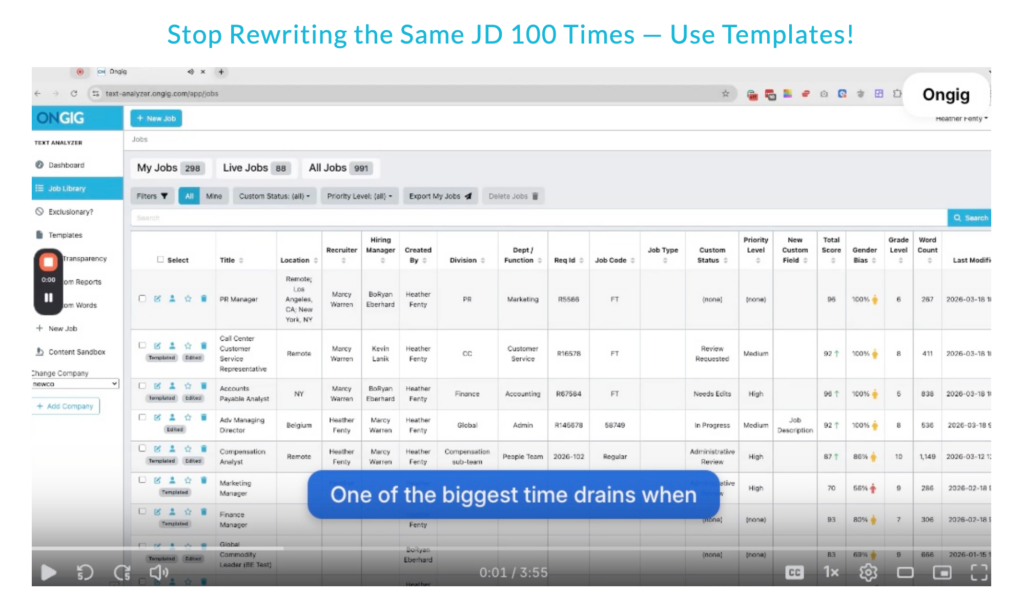
This is where platforms like Ongig make the process easier. As a tool that specializes in improving job descriptions using data-driven insights, you can use Ongig to analyze the structure, language and inclusivity of your hiring ad for a better chance of targeting top talent.
For example, large-scale HR teams can tap into Ongig’s quick demo videos that showcase how job description optimization works in practice, from removing biased language to improving readability and SEO performance.
Our resources make it simple for you to learn about what makes a good job description. This is the key to attracting those better-fit candidates in a competitive hiring market for large-scale companies.
Prioritize Proactive Sourcing
If you were met with an unsatisfactory talent pool during your last recruitment drive, it could be time to start proactively sourcing your candidates. This hiring approach focuses less on reactive strategies and more on proactive ways to source potential hires.
The key here is to create a pool of ready-to-hire pre-qualified candidates. This starts with building relationships with best-fit talent ahead of a hiring drive.
Whether you build talent community databases using platforms like LinkedIn Talent Hub or conduct direct outreach on social platforms, your team of recruiters can quickly connect with top talent within the industry.
Better still, some large organizations like Spotify implement effective employee referral programmes that capitalize their existing team’s networks. This made it possible for the online music platform to fill 70% of roles internally and cut the hiring pipeline in half.
Centralize Recruitment Data
A fragmented hiring process often leads to pipeline delays. If your recruitment team are juggling multiple HR systems and tools or is still relying on manual data entry, don’t be surprised when top talent is already snapped up.
Tools like Access PeopleXD Evo help address this by centralizing the entire talent acquisition lifecycle within one system.
This means that all candidate data is stored in one location, making it simple to automate routine recruitment tasks such as CV screening and sorting, interview reminders and even compliance checks.
If your HR team can spend more time on strategic engagement and less on manual admin, you’ll quickly accelerate your hiring pipeline.
Optimize the Candidate Experience
Did you know that one poor candidate experience could damage your brand’s reputation? No matter the size of your business, every candidate should be met with a high standard of communication and efficiency.
If you’re handling thousands of candidates during one hiring session, this can be difficult to maintain in person. This is why it is crucial to invest in automation to streamline your candidate communication efforts.
For example, if you introduce automated status updates to keep potential hires informed at every stage of the hiring pipeline, your top talent remains engaged and doesn’t feel forgotten in a large hiring pool.
According to experts at OpenArc, “62% of candidates lose interest if they don’t hear back within a few weeks, and 48% have declined jobs due to long processes.” This means that those who prioritize a quick follow-up email or implement status update notifications could have the advantage in 2026.
Wrapping Up
The hiring landscape is rapidly changing. As we welcome AI to the hiring scene, workflow automation and real-time analytics are just the beginning of a new tech-infused HR sector.
To optimize your pipeline in 2026, your business must use technology to its full potential while stepping outside the box to proactively search for top talent.
Recruits are no longer handed to large organizations on a dinner plate; those who succeed source the best candidates before the job application even goes live.
