
- Are DEI Initiatives Effective? Navigating a Transformed Landscape in 2026 - February 12, 2026
- 5 Top AI Recruiting Tools for Recruiters in 2026 - February 3, 2026
- DEIB Trends 2026 – Navigating a Complex Landscape - January 28, 2026
Job descriptions don’t usually go viral. Most are skimmed, saved, or forgotten within seconds. But every so often, one stands out, not because it’s inspiring, but because it raises immediate questions about what the job (and the company behind it) is really asking.
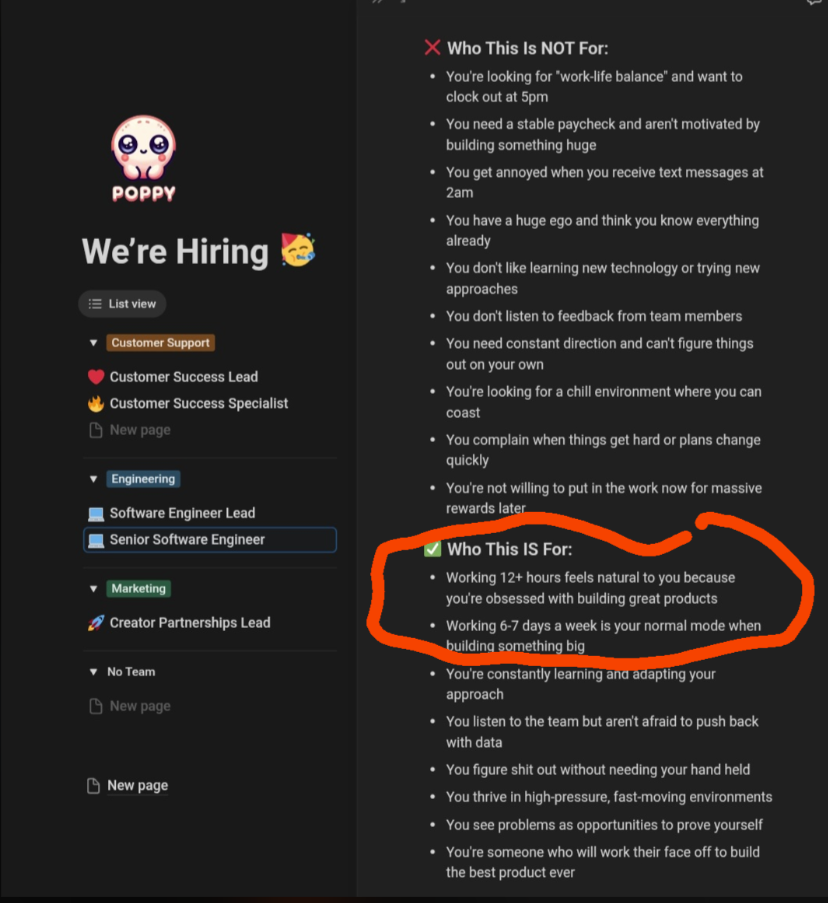
That’s what happened when a post titled “Craziest job description I’ve seen so far” appeared on the r/csMajors subreddit. The job description at the center of the thread wasn’t notable simply because it was long. It stood out because readers struggled to understand what the role actually was and what kind of working environment it implied.
As the comments accumulated, the discussion moved beyond formatting or wording issues. Instead, Redditors focused on something deeper: how job descriptions quietly communicate expectations about workload, boundaries, and culture long before a candidate ever applies.
What Sparked the Reaction on Reddit
The job description shared in the thread listed an extensive range of responsibilities. Senior-level technical work appeared alongside responsibilities typically owned by product managers, operations teams, and infrastructure specialists. The scope felt expansive, loosely prioritized, and difficult to reconcile under a single role.
What made the post resonate wasn’t outrage: it was recognition. Many commenters had seen similar job descriptions before and immediately understood what they might signal. To them, the posting didn’t read as ambitious. It read as inflated.
Rather than asking, “Can I do this job?” commenters were asking, “What kind of expectations would come with it?”
Reddit Reactions: Why the Job Description Felt Unrealistic
One of the most upvoted comments captured the dominant reaction succinctly:
“This is like 4 jobs combined into one.”
— u/throwaway_cs_grad
Others quickly elaborated on the same concern:
“They want a senior engineer, a PM, and DevOps all in one role.”
— u/its_not_entry_level
These comments weren’t nitpicking individual requirements. They reflected how experienced candidates read job descriptions holistically. When responsibilities span multiple senior functions, candidates interpret that as workload inflation—a signal that the role may absorb responsibilities that would normally be distributed across a team.
In technical roles, especially, this kind of scope creep stands out quickly. Candidates aren’t just evaluating skill alignment; they’re assessing sustainability.
When a Job Description Reads Like a Wishlist
Another highly upvoted response highlighted a different but related problem:
“This reads more like a wishlist than an actual job.”
— u/cs_throwaway_92
Wishlist-style job descriptions are rarely intentional. More often, they’re the result of gradual accumulation. Over time, requirements are added to reflect edge cases, future goals, or aspirational skills. What usually doesn’t happen is subtraction.
From a candidate’s perspective, this lack of prioritization creates ambiguity. If everything is listed as important, nothing feels clearly essential. That uncertainty forces candidates to guess which parts of the role truly matter and which might translate into unspoken expectations after hiring.
What Job Descriptions Signal About Culture (Whether Intended or Not)
Although Reddit commenters didn’t explicitly label the job description as “toxic,” many of the reactions reflected concern about what working in the role might actually feel like.
Candidates routinely read job descriptions as cultural signals:
- Are boundaries clearly defined?
- Is the workload realistically scoped?
- Does the role have ownership? Or is it expected to fill every gap?
When a job description combines multiple roles, lacks prioritization, and frames broad expectations as baseline requirements, candidates often infer that “everything is urgent” and “wearing many hats” is not temporary, but structural.
These signals don’t require explicit language. They emerge from how the role is framed.
Passion Language and Expectation Creep
Although the Reddit thread focused on scope rather than specific buzzwords, experienced candidates often recognize a familiar pattern: passion-coded language used to normalize overload.
Phrases like “fast-paced,” “self-starter,” or “wear many hats” are frequently interpreted as warnings rather than perks—especially when paired with expansive responsibilities. Even when those phrases aren’t present, the structure of the job description alone can communicate similar expectations.
In this case, the breadth of responsibilities suggested that high output and constant adaptability were assumed rather than optional. For many candidates, that raises questions about whether effort and boundaries will be respected. Or whether passion will be quietly substituted for additional headcount.
The Psychological Impact of Overloaded Job Descriptions
Job descriptions don’t just filter candidates. They shape how candidates feel.
For some, wishlist-style postings create intimidation and self-doubt. Qualified candidates may hesitate to apply if they don’t meet every requirement. Others interpret inflated scope as a sign that expectations will change after hiring, often without corresponding support.
One Redditor pointed to the practical implications of this mismatch:
“Nobody with all of these skills is going to apply for this salary.”
— u/realistic_hiring
Even when compensation isn’t explicitly listed, candidates infer value from scope. When responsibilities signal senior-level output across multiple domains, candidates expect alignment in pay, title, or resources.
When that alignment feels missing, disengagement follows quickly:
“I’d skip this job posting immediately.”
— u/nope_not_applying
That decision often happens silently. Recruiters never see the resumes that weren’t submitted. Over time, hiring teams may attribute low applicant quality or volume to talent shortages without realizing that the job description itself is driving qualified candidates away.
Why Job Descriptions End Up This Way
Most overloaded job descriptions aren’t written with bad intent. They’re usually the product of unclear ownership and unmanaged revisions.
Common causes include:
- Multiple stakeholders contributing requirements without final prioritization
- Legacy job descriptions are being copied forward and expanded over time
- Pressure to anticipate every possible future need
- Lack of governance around what a job description is meant to communicate
Without structure, job descriptions slowly become internal planning documents rather than candidate-facing tools.
This is where intentional job description management makes a measurable difference. Organizations that treat job descriptions as living assets with defined ownership, consistency standards, and regular review are far less likely to publish postings that feel unrealistic or misleading. Many teams rely on JD platforms like Ongig to support this process, ensuring clarity and alignment before a role ever goes live.
What a Healthy Job Description Looks Like by Contrast
The Reddit thread makes clear what candidates react against. It also highlights what they value.
Healthy job descriptions tend to:
- Clearly separate core responsibilities from secondary or future tasks
- Align scope with level, compensation, and team structure
- Define success in the first 6–12 months
- Avoid contradictions about ownership and accountability
Instead of signaling “everything is your job,” they communicate focus. Instead of relying on passion or endurance, they set realistic expectations for what the role is and isn’t.
Consistency matters here as much as content. Organizations that standardize how roles are written, reviewed, and updated are better positioned to maintain trust at scale. That’s why many hiring teams use job description management tools like Ongig to enforce clarity, bias awareness, and structural consistency across hundreds or thousands of job postings.
What Hiring Teams Can Learn From Reddit’s “Craziest JD”
Reddit threads like this function as informal but revealing feedback loops. They show how quickly candidates identify patterns and how much meaning they extract from job descriptions before any human interaction occurs.
The takeaway isn’t that job descriptions should be shorter or stripped down. It’s that they should be intentional. Every requirement communicates something about workload, priorities, and culture.
When those signals are misaligned, candidates don’t argue. They disengage.
Rebuilding Trust Starts With Better Job Design
Job descriptions are often the first meaningful interaction candidates have with an employer. When they feel unfocused or inflated, candidates don’t just question the role; they question themselves. They also question the organization behind it.
The discussion sparked by this Reddit post wasn’t about one bad job description. It reflected a broader skepticism about how roles are designed and how expectations are set.
Clear, well-structured job descriptions don’t just improve applicant quality. They reduce misalignment, protect candidate trust, and create healthier hiring outcomes for everyone involved.
As this Reddit thread shows, candidates are paying close attention. And when job descriptions reflect reality, candidates don’t have to guess what they’re signing up for.
Why I Wrote This
Job descriptions quietly shape candidate trust long before a recruiter ever gets involved. Reddit threads like this one reveal how quickly that trust can be lost. When job descriptions feel inflated, vague, or unrealistic, candidates don’t debate them. They just move on.
If you’re rethinking how your job descriptions signal expectations and culture, it may be time to take a closer look at how they’re written, reviewed, and managed. Request a demo to get help.
