
- How to See Ongig in Minutes (Before You Book a Demo) - March 26, 2026
- 25+ Examples of Diversity Goals to Measure (2026 Update) - March 24, 2026
- The Popsicle Problem: Why Your Career Site Feels So Hard to Manage - March 23, 2026
I read a post 2 weeks ago titled “AI Is Killing B2B SaaS.”
Dramatic headline. But it stuck with me.
I’ve been at Ongig since 2019. That’s long enough to see a few waves of change in talent acquisition tech. But the shift I’ve seen in the last three years? That’s been different.
AI isn’t killing SaaS. But it is exposing rigid SaaS. And I’ve watched that happen up close.
The Early Years: Efficiency Was the Goal
When I first joined Ongig, most conversations were about efficiency, inclusion, and candidate experience.
TA teams wanted to:
- Write job descriptions faster.
- Standardize formatting.
- Improve employer branding on job pages.
- Make postings more readable and inclusive.
The problems were real, but they were mostly operational. Then the last three years happened.
The Last 3 Years Changed Everything
Since 2022, especially, I’ve felt a noticeable shift in tone during conversations with TA leaders.
It’s not just, “How do we move faster?”
It’s:
- “Why can’t we update 200 job descriptions at once?”
- “Why are we still routing approvals through email?”
- “Why does our ATS feel disconnected from our actual job content?”
- “How do we stay compliant when pay transparency laws keep changing?”
The expectations are higher now. And AI played a big role in that.
AI Raised the Bar, Fast
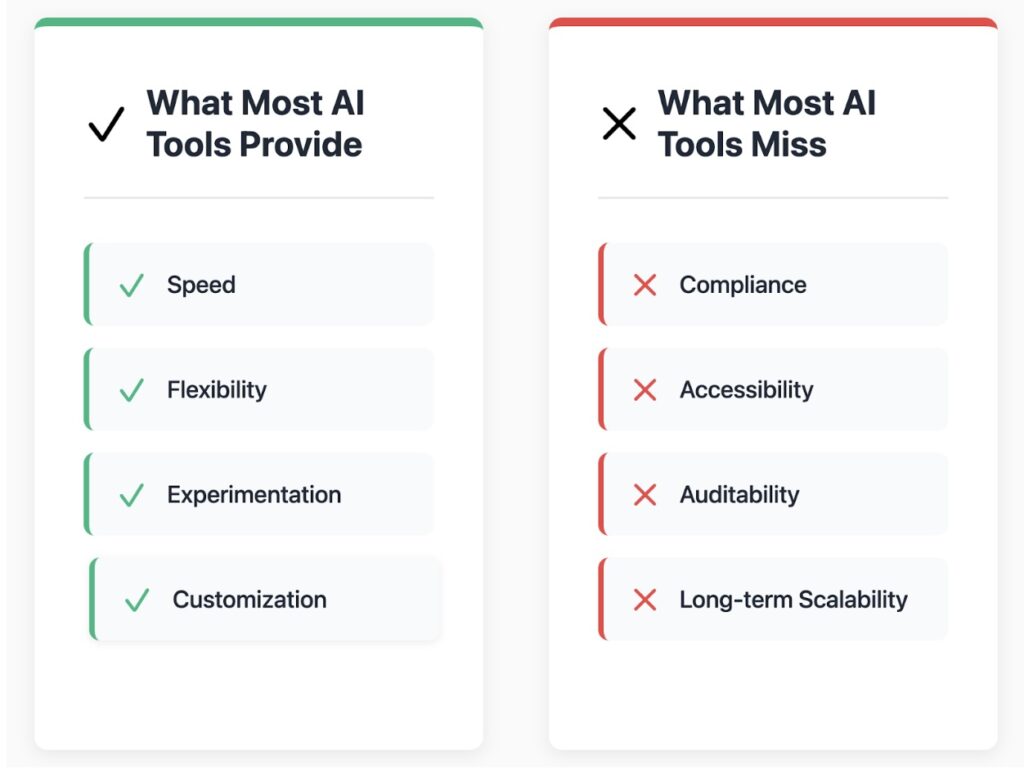
When generative AI tools became mainstream, TA teams didn’t wait around.
They experimented immediately. Draft a JD in seconds. Rewrite responsibilities. Simplify language. Adjust tone. It felt empowering.
And honestly, it should. Writing from scratch is painful. But here’s what I saw over and over again:
Once the draft was done, the hard questions started.
- Who approves this?
- Is this compliant in every state we hire in?
- Are we using inclusive language consistently?
- How do we update this across 150 similar roles?
- Can we prove what changed if Legal asks?
That’s where standalone AI tools hit a wall.
What “Rigid SaaS” Actually Looks Like in TA
Over the years, I’ve seen what rigid workflows do to recruiting teams.
1) Hunting for Old Files
- Searching email for last year’s Word doc.
- Starting from scratch if it’s missing.
- Inconsistent formatting and tone.
- No reliable way to catch biased language.
2) Email Approval Chaos
- Email to HR → Legal → Compliance.
- Multiple Word versions floating around.
- Approvals stuck in inboxes.
- Manual chasing and follow-ups.
3) Manual ATS Copy/Paste
- Pasting content into the ATS by hand.
- Formatting breaks.
- Job board version doesn’t match the internal file.
- No single source of truth.
4) Compliance Fire Drills
- New law? Update 100+ JDs one by one.
- Hunt down every version.
- High error rates.
- No audit trail.
None of this is flashy. But it’s the reality many teams are still living in.
What I’ve Seen Work Instead
The biggest insight I’ve gained since 2019, especially in the last three years, is this:
Speed without structure creates new problems. What TA teams actually want is both.
At Ongig, I’ve watched teams move toward:
- Starting from role-based templates instead of blank docs.
- Using AI suggestions inside a controlled system.
- Auto-flagging biased or non-compliant language.
- Automating approval routing instead of chasing email threads.
- Keeping ATS and career site content in sync.
- Updating 100+ job descriptions with one change.
- Maintaining a full audit trail for compliance.
Teams feel more in control. Less reactive. Less exposed.
Why That SaaS Headline Felt Personal
When I read “AI Is Killing B2B SaaS,” I didn’t think about software categories.
I thought about the conversations I’ve had since 2019, and how different they sound today.
AI isn’t killing platforms that adapt. It’s killing tools that can’t flex. Systems that can’t integrate. Workflows that don’t scale.
In the last three years, TA teams have made it clear: they expect more.
And honestly, they should.
The Real Takeaway for TA Leaders
If you’re in talent acquisition, ask yourself:
- Are you still chasing approvals in email?
- Are job descriptions living in multiple versions?
- Does updating for compliance feel overwhelming?
- Are you relying on speed without governance?
If so, you’re not behind. You’re just feeling the tension of this shift.
I’ve seen it play out again and again over the last few years.
The teams that thrive aren’t the ones using the most AI.
They’re the ones who pair AI speed with structured, scalable systems.
Why I Wrote This
I’ve been at Ongig since 2019, and the last three years have shown me how quickly expectations can change in talent acquisition.
We focus on helping TA teams manage job content end-to-end — from smart templates and AI suggestions to approvals, publishing, bulk updates, and compliance tracking.
If you’re navigating that same shift and want to see how we approach it, you can request a demo here.
FAQs
How has job description management changed since 2019?
The biggest change has been rising expectations. Teams now expect speed, compliance tracking, scalability, and integration — not just drafting help.
Why isn’t AI alone enough for TA teams?
AI helps with drafting, but it doesn’t handle approvals, version control, compliance updates, or ATS synchronization.
What does “rigid SaaS” mean in recruiting?
It refers to tools that don’t integrate well, can’t scale updates, and require manual workarounds.
How can TA teams reduce compliance risk in job descriptions?
By centralizing job content, tracking changes, automating approvals, and enabling bulk updates.
Is this relevant for mid-sized companies?
Yes. Even growing TA teams benefit from structured templates and scalable job content workflows.
